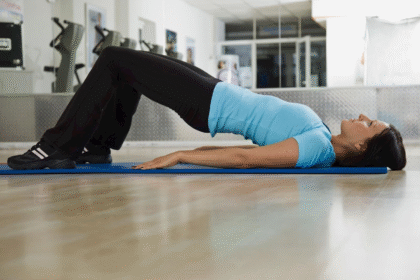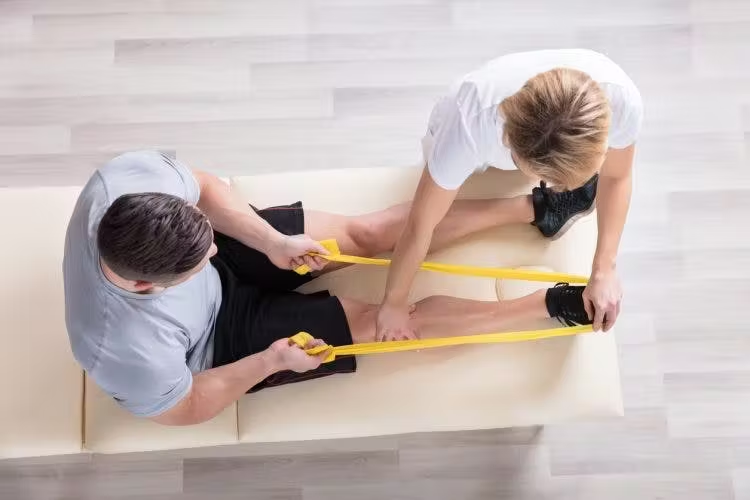

Recovering from a stroke is a long and often challenging journey. One of the most important parts of this journey is physical therapy. While hospitals and rehabilitation centers play a big role in early recovery, many patients continue improving at home with simple, consistent exercises. These home physical therapy exercises for stroke recovery can help restore movement, improve strength, and rebuild independence over time.
This article explains how home exercises support recovery, what types of movements are helpful, and how they can be safely practiced. Everything is written in a simple and human way so it is easy to understand for patients and caregivers.
Understanding Stroke Recovery
A stroke happens when blood flow to the brain is blocked or reduced. This can damage brain cells and affect body functions like movement, speech, and balance. After a stroke, many people experience weakness on one side of the body, stiffness in muscles, or difficulty walking and using their hands.
Recovery is possible because the brain has a special ability called “neuroplasticity.” This means the brain can learn and rewire itself by practicing repeated movements and activities. That is why physical therapy is so important. Even small, daily exercises at home can slowly help the brain rebuild lost connections.
Why Home Physical Therapy Matters
Not everyone can visit a clinic every day. Home therapy allows patients to continue recovery in a comfortable environment. It also encourages independence and consistency, which are key to progress.
Here are some benefits of home exercises:
- They can be done daily without expensive equipment
- They improve strength and flexibility gradually
- They help reduce stiffness in muscles and joints
- They support better balance and walking ability
- They build confidence and independence
Most importantly, doing exercises at home keeps the body active and prevents muscles from becoming weaker over time.
Important Safety Tips Before Starting
Before starting any home physical therapy exercises for stroke recovery, safety should always come first. Every stroke patient is different, so exercises should match their ability level.
Some important safety tips include:
- Always consult a doctor or physiotherapist first
- Start slowly and avoid overexertion
- Use support like chairs or walls for balance
- Stop immediately if there is pain, dizziness, or discomfort
- Have a caregiver nearby if balance is poor
Recovery is not about speed. It is about steady and safe progress.
Simple Home Physical Therapy Exercises for Stroke Recovery
Below are some easy and commonly recommended exercises that can be done at home. These are gentle but effective when practiced regularly.
1. Arm and Hand Stretching
Stroke often affects hand movement. Simple stretching helps reduce stiffness.
How to do it:
- Sit comfortably in a chair
- Slowly open and close your hand
- Stretch your fingers wide, then relax
- Repeat 10–15 times
This improves flexibility and prepares the hand for more complex movements.
2. Wrist Flex and Extend
This exercise helps improve wrist control.
Steps:
- Place your forearm on a table
- Move your hand up and down slowly
- Keep movements gentle and controlled
- Repeat 10 times on each side
It helps regain basic hand function needed for daily tasks.
3. Shoulder Movement Exercise
Shoulder stiffness is common after stroke.
How to do it:
- Lift your arm slowly forward as high as possible
- Then bring it back down gently
- Repeat the movement 10 times
This helps improve range of motion and reduces tightness.
4. Leg Straightening Exercise
This is useful for strengthening weak legs.
Steps:
- Sit on a chair or bed
- Slowly straighten one leg
- Hold for a few seconds
- Lower it back down
- Repeat 10 times for each leg
It helps improve walking ability over time.
5. Ankle Movement Exercise
This improves balance and reduces swelling.
How to do it:
- Sit or lie down comfortably
- Move your foot up and down like pressing a pedal
- Rotate your ankle in circles
- Repeat 10–15 times
It strengthens lower leg muscles and supports better walking.
6. Sit-to-Stand Practice
This is a very important functional exercise.
Steps:
- Sit on a sturdy chair
- Slowly stand up using your legs
- Sit back down slowly
- Repeat 5–10 times
It improves leg strength and independence in daily life.
7. Walking Practice (With Support)
Walking is often one of the main goals in stroke recovery.
How to do it safely:
- Use a walking stick or support from a caregiver
- Walk short distances in a safe area
- Focus on slow and steady steps
Over time, walking becomes smoother and more stable.
How Often Should Exercises Be Done?
Consistency is more important than intensity. Most stroke recovery programs suggest doing home exercises:
- 20–40 minutes per day
- At least 5 days a week
- With rest breaks in between
Even short sessions are helpful if done regularly.
Emotional Side of Recovery
Stroke recovery is not only physical. It also affects emotions. Many patients feel frustrated when progress is slow. This is completely normal.
Support from family and caregivers plays a big role. Encouragement, patience, and celebrating small improvements can make a big difference. Every small movement is a step forward.
Tips for Better Results
To make home physical therapy exercises for stroke recovery more effective, keep these simple tips in mind:
- Practice every day, even if only for a short time
- Stay patient and avoid rushing progress
- Combine exercises with healthy food and good sleep
- Stay hydrated
- Track small improvements over time
Recovery is like rebuilding a path step by step. Every effort counts.
Conclusion
Home physical therapy exercises are a powerful part of stroke recovery. They help improve movement, strength, and independence without needing expensive equipment or constant hospital visits. With patience, consistency, and support, many stroke survivors slowly regain their abilities.
The most important thing to remember is that recovery is possible, but it takes time. Small daily exercises done at home can create big changes over weeks and months. The journey may be slow, but every movement brings hope and progress.
Frequently Asked Questions (FAQs)
1. Can stroke patients recover fully with home exercises alone?
Home exercises help a lot, but full recovery depends on the severity of the stroke. Many people improve significantly, but professional guidance is still important.
2. How soon should home therapy start after a stroke?
It usually begins once a doctor says it is safe. Early movement often leads to better recovery results.
3. What is the most important exercise for stroke recovery?
There is no single best exercise. A combination of arm, leg, balance, and walking exercises gives the best results.
4. How long does stroke recovery take?
Recovery time varies. Some people improve in months, while others take years. Regular practice speeds up progress.
5. Can exercise make stroke symptoms worse?
If done incorrectly or too aggressively, it can cause strain. That is why slow, guided, and safe exercise is very important.