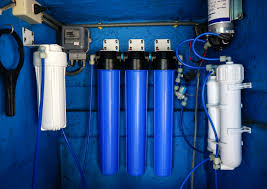

Water filter systems differ by filtration method and maintenance needs, and each feature affects daily use. Before choosing one, homeowners should review water quality, household demand, and installation requirements. Here are a few elements to evaluate when selecting a water filter system:
Evaluate Source Water Conditions
Evaluating source water conditions helps homeowners choose the right water filter system. Whether drawing directly from an underground well or a municipal source, look at system placement options along with the characteristics of the water supply. The incoming water source and the initial observations provide the foundation for all subsequent filter selections.
A whole-house water purification system addresses issues that begin at the main supply, and it treats water before it reaches individual outlets. Installing water filtration systems provides a personalized solution to filtering the sources that affect water throughout the household. If it’s from one area, such as the bathroom or kitchen faucet, select a point-of-use solution.
Identify Daily Use Points
Pinpoint daily water consumption patterns to determine where point-of-use filters fulfill drinking, cooking, and filling needs. These kitchen-focused products purify water on-site, allowing homeowners to choose systems that integrate with existing water supply lines. Separate point-of-use units at home sinks and drinking stations can support households that prefer cooler dispensing options or direct access to water for fill-ups. A point-of-use filter system provides filtered water at the point where it’s dispensed, with the option to install additional filtration units per dispenser.
Assess Required Purification Depth
System selection begins with comparing the level of purification required based on the water issue. Matching system capability to the level of filtration required addresses the stated water concern. Evaluating hard-to-remove compounds helps select a matching purification profile. Water testing can separate aesthetic issues from health-related concerns, and that distinction helps narrow the filtration level.
Basic filtration may address visible particles, taste, or odor concerns, and advanced purification targets smaller dissolved substances. A single-stage filter handles limited filtration needs, while a multi-stage system uses several filter layers for broader water treatment. Sediment filters work as the first barrier, and later stages may handle taste, odor, or dissolved contaminants.
Reverse osmosis systems support deeper purification where dissolved solids, heavy metals, or chemical residues are a concern. Carbon filters help improve taste and odor, and specialty filters may be added when testing shows a specific water quality issue. Different purification technologies treat different contaminant groups, and matching them prevents under-filtration or unnecessary system complexity.
Analyze Shower Water Exposure
For households that need filtered water at the shower itself, inline filtering at the fixture provides dedicated coverage for personal exposure rather than just household supply. Shower filters can be used to provide filtered water at the source, bypassing water lines and reducing maintenance requirements. For houses that require extensive source protection, a stainless-steel shower filter diverts treatment to the fixture level for more coverage. Choosing this option or adding it to the existing water filtration systems helps isolate shower supply lines from impurities and improve the quality of bathing water.
Review Ongoing Service Demands
Track system servicing schedules based on overall installation configurations. Filter cartridges need replacement at set intervals, and missed changes can reduce filtration performance. Some systems use indicator lights or service reminders, which help homeowners know when maintenance is due.
A whole-house setup may require professional servicing, while smaller point-of-use units need simpler cartridge changes. When a system has several filter stages, each stage follows a different replacement schedule. Regular service records also help homeowners track part changes, water flow changes, and recurring issues.
Find Water Filter System Services
Installing a water filter system can produce healthy, quality water for your daily household. Partnering with specialists involves site evaluation, assessment of your water quality, and determining potential plumbing modifications prior to installation. These evaluations can verify that the filter supplied meets your needs. Contact an experienced water filter expert today to learn more about their water filtration systems.
- Tips for Eczema Caregivers on Daily Routines for Effective Skin Management
- 3 Things To Know About Robotic Spine Surgery
- Steps and Requirements to Become a Psychiatric Nurse Practitioner
- Minimally Invasive Treatment for Uterine Fibroid Embolization
- Elements To Evaluate When Selecting a Water Filter System