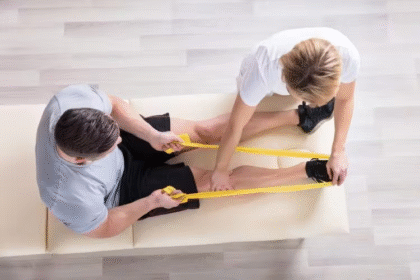

Back pain is one of the most common health problems in the world today. It can affect people of all ages, whether they are students, office workers, athletes, or older adults. Sometimes the pain comes suddenly after lifting something heavy, and sometimes it builds up slowly over time due to poor posture or lack of movement.
The good news is that many cases of back pain can improve without surgery or strong medication. One of the most effective and natural ways to recover is through physical therapy exercises for back pain recovery. These exercises are designed to reduce pain, improve movement, strengthen muscles, and help prevent future problems.
In this article, we will explore simple and effective physical therapy exercises, explain how they work, and guide you in a clear and easy way so you can understand and apply them safely at home.
Why Physical Therapy Matters for Back Pain
Physical therapy is not just about exercise. It is a structured approach that helps your body heal naturally. When you experience back pain, the muscles around your spine often become weak, tight, or imbalanced. Physical therapy helps to fix these issues step by step.
Here are some important benefits:
- Reduces pain and stiffness
- Improves flexibility and posture
- Strengthens core and back muscles
- Increases blood flow to the injured area
- Helps prevent future injuries
Unlike painkillers that only hide symptoms, physical therapy works on the root cause of the problem.
Important Tips Before Starting Exercises
Before starting any exercise routine for back pain recovery, keep these simple tips in mind:
- Always start slowly and gently
- Do not force your body into painful positions
- Warm up your body for a few minutes
- Stop if the pain becomes sharp or worse
- Stay consistent for better results
If your pain is severe or long-lasting, it is always better to consult a physiotherapist before starting exercises.
1. Pelvic Tilt Exercise
The pelvic tilt is one of the easiest and most effective physical therapy exercises for back pain recovery. It helps strengthen your lower back and stomach muscles.
How to do it:
- Lie on your back with your knees bent
- Keep your feet flat on the floor
- Tighten your stomach muscles
- Slowly push your lower back into the floor
- Hold for 5 seconds, then relax
Benefits:
- Reduces lower back stiffness
- Strengthens core muscles
- Improves spinal alignment
Repeat this exercise 10–15 times daily.
2. Knee-to-Chest Stretch
This exercise gently stretches your lower back muscles and helps reduce tension.
How to do it:
- Lie flat on your back
- Bring one knee slowly toward your chest
- Hold it with both hands
- Keep the other leg straight or bent
- Hold for 15–20 seconds and switch legs
Benefits:
- Reduces tightness in the lower back
- Improves flexibility
- Helps relieve pressure on spinal nerves
You can repeat this 3–5 times for each leg.
3. Cat-Cow Stretch
This is a gentle movement exercise that improves spinal flexibility and reduces stiffness.
How to do it:
- Get on your hands and knees
- Inhale and arch your back (cow position)
- Lift your head slightly
- Exhale and round your back (cat position)
- Repeat slowly
Benefits:
- Increases spine mobility
- Improves posture
- Reduces stiffness and pain
Do this for 1–2 minutes daily.
4. Bridge Exercise
The bridge exercise is excellent for strengthening your lower back, hips, and glutes.
How to do it:
- Lie on your back with knees bent
- Keep feet flat on the ground
- Slowly lift your hips upward
- Hold for 5–10 seconds
- Lower slowly back down
Benefits:
- Strengthens lower back muscles
- Supports spine stability
- Reduces future injury risk
Repeat 10–12 times.
5. Child’s Pose Stretch
This yoga-based stretch is very relaxing and helps release tension in the back.
How to do it:
- Kneel on the floor
- Sit back on your heels
- Stretch your arms forward
- Lower your chest toward the ground
- Hold for 20–30 seconds
Benefits:
- Relaxes tight muscles
- Reduces stress in the lower back
- Improves breathing and relaxation
6. Hamstring Stretch
Tight hamstrings can often increase back pain. This exercise helps loosen them.
How to do it:
- Lie on your back
- Lift one leg upward
- Hold behind your thigh or calf
- Keep the leg straight as much as possible
- Hold for 15–20 seconds
Benefits:
- Improves leg and back flexibility
- Reduces pressure on the lower spine
- Helps better posture
How Often Should You Do These Exercises?
For best results, try doing these exercises:
- 4–5 times per week
- 15–30 minutes per session
- Slowly increase intensity over time
Consistency is more important than doing too much at once.
Lifestyle Tips for Faster Recovery
Exercises alone are not enough. You should also make small changes in your daily life:
- Sit with proper posture
- Avoid sitting for long hours
- Use a supportive chair
- Sleep on a firm mattress
- Stay active with walking
These habits help your physical therapy work faster and more effectively.
When to See a Doctor
Although physical therapy helps many people, you should seek medical advice if you experience:
- Severe or worsening pain
- Numbness in legs
- Weakness in muscles
- Pain after an injury or accident
Early treatment can prevent serious problems.
Final Thoughts
Back pain can feel frustrating and limiting, but it is often manageable with the right approach. Physical therapy exercises for back pain recovery are a safe, natural, and effective way to heal your body and regain strength.
The key is patience and consistency. Small daily efforts can lead to big improvements over time. By following these simple exercises and healthy habits, you can reduce pain, improve movement, and enjoy a more active life.
Remember, your body has the ability to heal—you just need to support it in the right way.
FAQs
1. How long does it take to recover from back pain with physical therapy?
Recovery time depends on the severity of the pain. Mild cases may improve in 2–4 weeks, while chronic pain may take several months of regular exercise.
2. Can I do physical therapy exercises at home?
Yes, many exercises like stretches and strengthening movements can be safely done at home. However, guidance from a physiotherapist is helpful for best results.
3. Do these exercises hurt during recovery?
You may feel mild stretching, but you should not feel sharp pain. If pain increases, stop immediately and rest.
4. How often should I do these exercises?
Most people benefit from doing them 4–5 times per week. Consistency is more important than intensity.
5. Can physical therapy completely cure back pain?
In many cases, yes. Physical therapy can greatly reduce or fully relieve back pain, especially when combined with good posture and healthy habits.