
Managing diabetes doesn’t mean giving up on good food or living with constant stress about what to eat. It’s really about learning how your body responds to food and making smart, balanced choices every day. With the right nutrition habits, you can keep your blood sugar stable, feel more energetic, and reduce the risk of complications.
Let’s break this down in a simple, human way so it feels doable—not overwhelming.
Understanding the Basics
When you eat, your body turns most food into glucose (sugar), which enters your bloodstream. Insulin helps move this sugar into your cells for energy. In diabetes, this system doesn’t work properly, causing blood sugar levels to rise.
That’s why food choices matter so much—they directly affect how high or low your blood sugar goes.
1. Choose the Right Carbohydrates
Carbohydrates have the biggest impact on blood sugar. But not all carbs are bad.
Good carbs (slow-digesting):
- Whole grains (brown rice, oats, whole wheat)
- Vegetables
- Legumes (beans, lentils)
- Fruits (in moderate portions)
Limit these carbs (fast-digesting):
- White bread
- Sugary drinks
- Sweets and desserts
- Processed snacks
Simple tip:
Instead of cutting carbs completely, focus on quality and portion size. Pair carbs with protein or healthy fats to slow sugar absorption.
2. Eat More Fiber
Fiber helps control blood sugar by slowing digestion and preventing sudden spikes.
High-fiber foods include:
- Vegetables (spinach, broccoli, carrots)
- Fruits with skin (apples, pears)
- Whole grains
- Beans and lentils
Easy habit:
Try to include at least one fiber-rich food in every meal.
3. Balance Your Plate
A balanced plate keeps blood sugar steady and helps you feel full longer.
A simple plate method:
- Half plate: non-starchy vegetables
- One-quarter: protein (chicken, fish, eggs, beans)
- One-quarter: healthy carbs (rice, roti, potatoes)
Why it works:
This balance prevents overeating carbs and reduces sugar spikes.
4. Don’t Skip Meals
Skipping meals can cause blood sugar to drop too low or rise too high later.
Better approach:
- Eat 3 regular meals a day
- Add 1–2 small healthy snacks if needed
Snack ideas:
- A handful of nuts
- Yogurt
- Fruit with peanut butter
Keeping a routine helps your body maintain stable sugar levels.
5. Control Portion Sizes
Even healthy foods can raise blood sugar if eaten in large amounts.
Simple portion tips:
- Use smaller plates
- Avoid eating straight from packages
- Measure foods until you learn correct portions
Reminder:
It’s not just what you eat—it’s also how much.
6. Include Healthy Fats
Healthy fats don’t raise blood sugar and help you feel satisfied.
Good sources:
- Olive oil
- Nuts and seeds
- Avocados
- Fatty fish (like salmon)
Avoid:
- Trans fats
- Deep-fried foods
- Excess butter or processed oils
Adding small amounts of healthy fats can improve overall nutrition.
7. Stay Hydrated
Water plays a key role in managing blood sugar.
Best choices:
- Water
- Herbal tea
- Unsweetened drinks
Limit:
- Sugary sodas
- Packaged juices
- Energy drinks
Tip:
Drink water regularly throughout the day, even if you’re not thirsty.
8. Be Careful with Fruits
Fruits are healthy but still contain natural sugar.
Best approach:
- Eat whole fruits (not juices)
- Stick to small portions
- Pair with protein (like nuts or yogurt)
Example:
An apple with a handful of almonds is better than fruit juice.
9. Reduce Added Sugar
Hidden sugars can quickly increase blood sugar levels.
Watch out for:
- Packaged snacks
- Sweetened drinks
- Bakery items
- Sauces and ketchup
Smart habit:
Read food labels and choose low-sugar options.
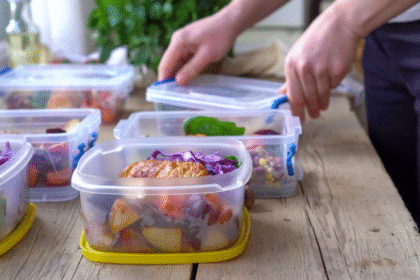
10. Plan Your Meals Ahead
Planning helps you avoid unhealthy choices when you’re hungry or busy.
Simple planning ideas:
- Prepare meals at home
- Keep healthy snacks ready
- Make a weekly meal plan
Benefit:
You stay in control instead of making last-minute decisions.
11. Monitor How Food Affects You
Everyone’s body reacts differently to food.
What you can do:
- Check your blood sugar regularly
- Notice how certain foods affect you
- Adjust your diet accordingly
This helps you learn what works best for your body.
12. Practice Mindful Eating
Eating slowly and paying attention can improve blood sugar control.
Try this:
- Eat without distractions
- Chew slowly
- Stop when you feel full
Mindful eating prevents overeating and helps digestion.
13. Limit Processed Foods
Highly processed foods often contain hidden sugar, salt, and unhealthy fats.
Better choices:
- Fresh, homemade meals
- Natural ingredients
- Simple cooking methods (boiling, grilling, baking)
The closer your food is to its natural form, the better it is for blood sugar control.
14. Be Consistent
Consistency matters more than perfection.
You don’t need a strict diet—you need sustainable habits.
Focus on:
- Regular meal times
- Balanced nutrition
- Small daily improvements
Over time, these habits make a big difference.
Final Thoughts
Managing diabetes through nutrition is not about strict rules or giving up your favorite foods forever. It’s about understanding balance, making smarter choices, and listening to your body.
Start small. Maybe drink more water today, or add vegetables to your meals. These simple steps can lead to better blood sugar control and a healthier life.
Frequently Asked Questions (FAQs)
1. Can people with diabetes eat sweets?
Yes, but in small amounts and not frequently. It’s better to eat sweets occasionally and balance them with healthy foods.
2. Is fruit bad for diabetes?
No, fruit is healthy. Just eat whole fruits in moderate portions and avoid fruit juices.
3. How many meals should a diabetic person eat daily?
Usually 3 balanced meals with 1–2 small snacks works well, but it depends on individual needs.
4. Can drinking water lower blood sugar?
Water helps your body remove excess sugar through urine and prevents dehydration, which supports better sugar control.
5. Is it necessary to completely avoid carbohydrates?
No. Carbohydrates are important for energy. The key is choosing healthy carbs and controlling portions.