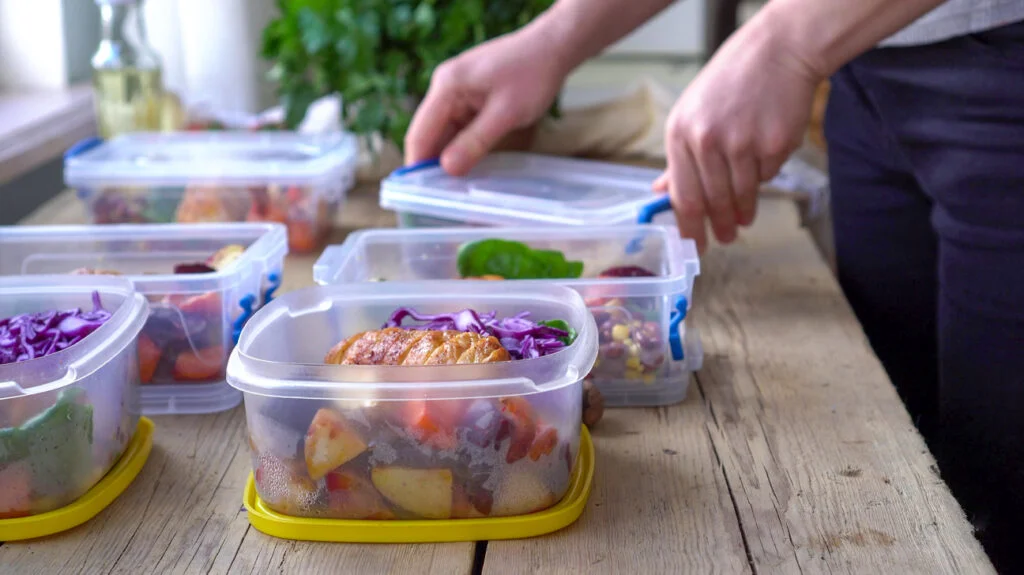

Starting a weight loss journey can feel confusing, especially when you hear so many different opinions about what to eat and what to avoid. Some people suggest cutting carbs completely, while others promote extreme dieting. The truth is much simpler: a balanced diet is one of the safest and most effective ways to lose weight, especially for beginners.
In this article, you’ll learn what a balanced diet really means, how it helps with weight loss, and how you can create a simple plan that fits your lifestyle.
What Is a Balanced Diet?
A balanced diet means eating the right mix of nutrients your body needs to function properly. These nutrients include:
- Carbohydrates (for energy)
- Proteins (for muscle repair and growth)
- Healthy fats (for brain and hormone health)
- Vitamins and minerals (for overall health)
- Fiber (for digestion and fullness)
Instead of removing entire food groups, a balanced diet focuses on portion control and food quality.
Why a Balanced Diet Works for Weight Loss
Many beginners think weight loss means eating less food or skipping meals. But this approach often leads to weakness, cravings, and eventually giving up.
A balanced diet works because:
- It keeps you full longer
- It prevents overeating
- It gives your body enough energy
- It improves metabolism
- It reduces unhealthy cravings
When your body gets proper nutrition, it naturally starts burning fat more efficiently.
Basic Principles of a Balanced Diet Plan
Before jumping into a meal plan, it’s important to understand some simple rules:
1. Don’t Skip Meals
Skipping meals slows down your metabolism and increases hunger later in the day.
2. Control Portion Sizes
Even healthy food can cause weight gain if eaten in large amounts.
3. Eat More Whole Foods
Choose natural foods like fruits, vegetables, whole grains, and lean protein instead of processed items.
4. Stay Hydrated
Drinking enough water helps digestion and reduces unnecessary hunger.
5. Be Consistent
Consistency matters more than perfection. Small daily habits lead to long-term results.
Sample Balanced Diet Plan for Beginners
Here’s a simple daily plan you can follow or adjust according to your taste:
Breakfast (Start Your Day Right)
- 1 boiled egg or omelet
- 1 slice whole grain bread or 1 small roti
- 1 cup milk or tea (low sugar)
- 1 fruit (apple or banana)
This combination gives you protein, fiber, and energy to start your day.
Mid-Morning Snack
- A handful of nuts (almonds or peanuts)
or - 1 fruit
This keeps your energy stable and prevents overeating at lunch.
Lunch (Balanced and Filling)
- 1–2 whole wheat rotis or small portion of rice
- 1 bowl vegetables (cooked or salad)
- 1 portion protein (chicken, lentils, or beans)
- Yogurt (optional)
This meal provides all essential nutrients and keeps you full for hours.
Evening Snack
- Green tea or black tea
- Roasted chickpeas or a small sandwich
Avoid fried snacks like samosas or chips during this time.
Dinner (Light and Simple)
- 1 roti or small portion of rice
- Vegetables
- Protein (grilled chicken, lentils, or eggs)
Try to eat dinner at least 2–3 hours before sleeping.
Foods You Should Include
A beginner-friendly weight loss diet should include:
- Fresh fruits (apple, orange, banana)
- Vegetables (spinach, carrots, cucumber, broccoli)
- Whole grains (brown rice, oats, whole wheat)
- Lean proteins (chicken, fish, eggs, lentils)
- Healthy fats (nuts, seeds, olive oil)
These foods provide nutrition without unnecessary calories.
Foods to Limit
You don’t have to completely avoid your favorite foods, but try to reduce:
- Sugary drinks (soda, packaged juices)
- Fast food (burgers, fries, pizza)
- Fried snacks
- White bread and refined flour
- Sweets and desserts
Eating these occasionally is okay, but not every day.
Common Mistakes Beginners Make
Starting something new often comes with mistakes. Here are a few to watch out for:
1. Eating Too Little
Very low-calorie diets can slow metabolism and harm your health.
2. Cutting Entire Food Groups
Avoiding carbs or fats completely is not necessary and can cause imbalance.
3. Expecting Quick Results
Healthy weight loss takes time. Aim for steady progress.
4. Ignoring Physical Activity
Diet alone helps, but adding light exercise improves results.
Importance of Exercise with Diet
While this article focuses on diet, combining it with simple physical activity gives better results.
You don’t need a gym. Start with:
- Walking 20–30 minutes daily
- Light stretching
- Basic home workouts
This helps burn calories and keeps your body active.
Tips to Stay Motivated
Weight loss is not just physical—it’s mental too. Here are some simple tips:
- Set realistic goals
- Track your progress weekly
- Don’t compare yourself to others
- Celebrate small achievements
- Stay patient and consistent
Remember, this is a lifestyle change, not a short-term diet.
Final Thoughts
A balanced diet plan for weight loss is not about strict rules or starving yourself. It’s about eating the right foods in the right amounts and building healthy habits.
As a beginner, keep things simple. Focus on consistency, not perfection. With time, your body will adjust, and you’ll start seeing real results.
FAQs
1. How fast can I lose weight with a balanced diet?
Healthy weight loss is about 0.5 to 1 kg per week. Faster results are often not sustainable.
2. Can I eat rice while trying to lose weight?
Yes, you can. Just control the portion size and balance it with vegetables and protein.
3. Is it necessary to stop eating sugar completely?
No, but you should reduce it. Occasional treats are fine in moderation.
4. Do I need supplements for weight loss?
Not usually. A balanced diet provides most nutrients. Consult a doctor before taking supplements.
5. What is the best time to eat dinner for weight loss?
Try to eat dinner at least 2–3 hours before bedtime to help digestion and fat burning.