
Seasonal allergies can make life uncomfortable, especially for adults who have busy routines and responsibilities. If you find yourself sneezing, dealing with a runny nose, itchy eyes, or constant congestion during certain times of the year, you’re not alone. Millions of adults experience seasonal allergies, also known as hay fever, and they can seriously affect daily life. The good news is that there are many effective treatments available. In this article, we will explore the best treatments for seasonal allergies in adults in a simple, easy-to-understand way.
What Are Seasonal Allergies?
Seasonal allergies happen when your immune system overreacts to allergens in the environment. These allergens are usually harmless substances like pollen from trees, grasses, or weeds. When you breathe in these tiny particles, your body thinks they are dangerous and releases chemicals like histamine. This causes symptoms such as:
- Sneezing
- Runny or blocked nose
- Itchy eyes, nose, or throat
- Watery eyes
- Fatigue
Different allergens are more common at different times of the year. For example, tree pollen is common in spring, grass pollen in summer, and weed pollen in autumn.
Why Adults Need Proper Treatment
Some people think allergies are minor, but untreated allergies can lead to serious issues. Poor sleep, low energy, headaches, and reduced productivity are common problems. In some cases, allergies can worsen asthma or lead to sinus infections. That’s why finding the best treatment is important—not just for comfort, but for overall health.
Best Treatments for Seasonal Allergies in Adults
1. Avoiding Allergens
The first and most natural way to manage seasonal allergies is to avoid exposure to allergens as much as possible.
Here are some simple tips:
- Stay indoors during high pollen days (usually early morning or windy days)
- Keep windows closed at home and in your car
- Use air conditioning instead of fresh air
- Shower and change clothes after being outside
- Dry clothes indoors instead of outside
While it’s impossible to avoid pollen completely, reducing exposure can make a big difference.
2. Over-the-Counter Antihistamines
Antihistamines are one of the most popular and effective treatments. They work by blocking histamine, the chemical responsible for allergy symptoms.
Common benefits:
- Reduce sneezing
- Control runny nose
- Relieve itching
Modern antihistamines usually don’t cause drowsiness, making them suitable for daily use. They are available in tablets, liquids, and even dissolvable forms.
3. Nasal Sprays
Nasal sprays are highly effective, especially for nasal congestion. There are different types available:
- Steroid nasal sprays: Reduce inflammation in the nose and are considered one of the best long-term treatments
- Saline sprays: Help clean the nasal passages and remove allergens
- Decongestant sprays: Provide quick relief but should not be used for more than a few days
Using a nasal spray correctly and regularly can significantly improve breathing and comfort.
4. Eye Drops
If your eyes are itchy, red, or watery, allergy eye drops can help. These drops are specially designed to soothe irritation and reduce inflammation.
Some benefits include:
- Instant cooling effect
- Reduced redness
- Relief from itching
They are especially helpful during peak allergy seasons when eye symptoms are strong.
5. Decongestants
Decongestants help reduce swelling in the nasal passages, making it easier to breathe. They are available in tablet or nasal spray form.
However, they should be used carefully:
- Short-term use only
- Not recommended for people with high blood pressure without medical advice
They are best used when symptoms are severe and need quick relief.
6. Immunotherapy (Allergy Shots or Tablets)
For people with severe or long-lasting allergies, immunotherapy can be a life-changing treatment. It works by gradually training your immune system to become less sensitive to allergens.
Types include:
- Allergy shots (injections)
- Sublingual tablets (placed under the tongue)
This treatment takes time—often months or years—but can provide long-term relief and even reduce symptoms permanently.
7. Natural and Home Remedies
Many adults prefer natural methods to manage allergies. While these may not replace medical treatments, they can support relief.
Some helpful options:
- Steam inhalation: Clears nasal passages
- Honey: May help reduce sensitivity to pollen (though evidence is limited)
- Herbal teas: Such as peppermint or ginger tea for soothing effects
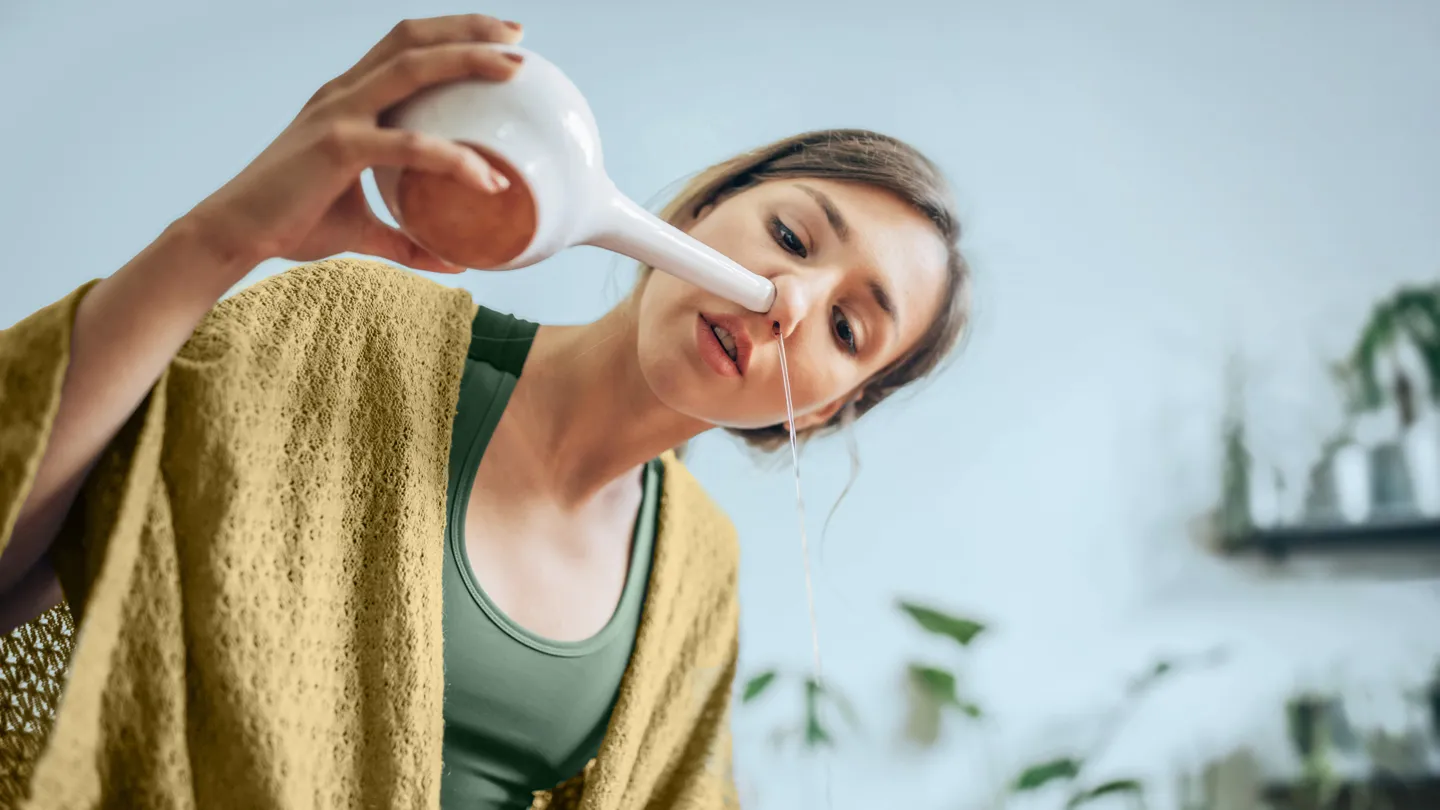
- Neti pot (saline rinse): Cleans allergens from nasal passages
Always ensure hygiene and proper use when trying home remedies.
8. Lifestyle Changes
Your daily habits can also affect allergy symptoms. Making small changes can improve your overall condition.
Consider:
- Eating a healthy diet rich in fruits and vegetables
- Drinking plenty of water
- Getting enough sleep
- Exercising regularly (indoors during high pollen times)
A strong immune system can help your body respond better to allergens.
When to See a Doctor
If your symptoms are severe, long-lasting, or not improving with basic treatments, it’s important to consult a doctor. You may need:
- Allergy testing to identify triggers
- Prescription medications
- A personalized treatment plan
Ignoring symptoms can lead to complications, so early care is always better.
Final Thoughts
Seasonal allergies in adults can be frustrating, but they are manageable with the right approach. The best treatment often involves a combination of methods—avoiding allergens, using medications, and maintaining a healthy lifestyle. What works best may vary from person to person, so it’s important to find a plan that suits your needs.
With proper care and awareness, you can enjoy each season without letting allergies take control of your life.
Frequently Asked Questions (FAQs)
1. What is the fastest way to relieve seasonal allergies?
The fastest relief usually comes from antihistamines or decongestants. Nasal sprays can also work quickly, especially for congestion.
2. Can seasonal allergies go away permanently?
In some cases, immunotherapy can reduce or even eliminate symptoms over time. However, many people need ongoing management.
3. Are natural remedies effective for allergies?
Natural remedies can help reduce symptoms but are usually not as strong as medical treatments. They work best as supportive care.
4. How do I know what I’m allergic to?
You can get an allergy test done by a doctor. This helps identify specific triggers like pollen, dust, or mold.
5. Can allergies get worse with age?
Yes, allergies can change over time. Some people develop new allergies as adults, while others may see improvement.