
Staying healthy doesn’t always require complicated treatments or expensive medicines. In fact, many common illnesses—like colds, flu, digestive problems, and fatigue—can be prevented naturally through simple daily habits. The human body is designed to protect and heal itself, but it needs the right support. By making small, consistent changes in your lifestyle, you can strengthen your immune system and reduce the chances of getting sick.
This article explains easy, natural ways to prevent common illnesses in a practical and human-friendly way.
1. Strengthen Your Immune System with Proper Nutrition
The foundation of good health starts with what you eat. Your body needs essential nutrients to fight off infections and stay strong.
Focus on:
- Fresh fruits and vegetables: These are rich in vitamins, minerals, and antioxidants. Citrus fruits, spinach, carrots, and berries are especially helpful.
- Whole foods: Choose whole grains, nuts, seeds, and legumes instead of processed foods.
- Healthy fats: Foods like olive oil, avocados, and nuts support overall health.
- Protein: Eggs, beans, chicken, and fish help repair and build body tissues.
Avoid too much sugar, junk food, and processed items, as they weaken your immune system over time.
2. Stay Hydrated Throughout the Day
Water is often overlooked, but it plays a key role in preventing illness. It helps flush out toxins, keeps your body temperature stable, and supports digestion.
Try to:
- Drink at least 6–8 glasses of water daily
- Start your morning with a glass of warm water
- Include natural drinks like coconut water or herbal teas
Dehydration can make you feel tired and more vulnerable to infections, so keep a water bottle nearby and sip regularly.
3. Get Enough Sleep Every Night
Sleep is your body’s natural repair system. When you don’t get enough rest, your immune system becomes weaker.
Tips for better sleep:
- Aim for 7–9 hours of sleep each night
- Go to bed and wake up at the same time daily
- Avoid screens (phone, TV) before bedtime
- Create a calm and dark sleeping environment
Good sleep improves your mood, energy, and ability to fight illnesses like colds and flu.
4. Maintain Good Hygiene Habits
Many illnesses spread through bacteria and viruses, especially through contact. Practicing good hygiene is one of the easiest ways to stay healthy.
Important habits:
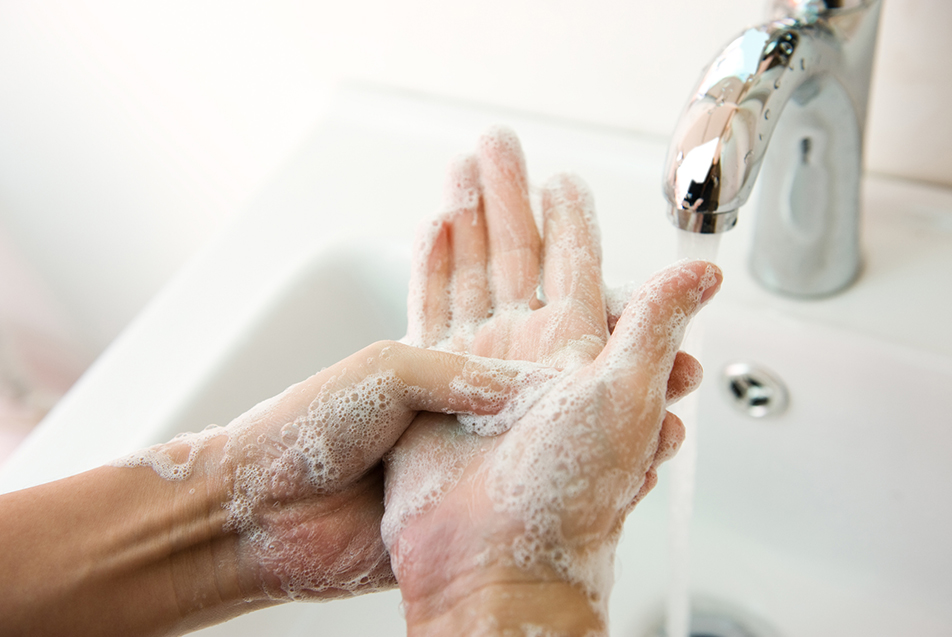
- Wash your hands regularly with soap and water
- Avoid touching your face too often
- Keep your surroundings clean
- Cover your mouth when coughing or sneezing
These simple steps can prevent infections from spreading in your home and community.
5. Exercise Regularly (But Don’t Overdo It)
Physical activity keeps your body active and improves blood circulation, which helps your immune system work better.
You don’t need intense workouts. Simple activities work well:
- Walking for 30 minutes daily
- Light jogging or cycling
- Yoga or stretching exercises
Exercise also reduces stress, improves sleep, and boosts energy levels. However, too much exercise without rest can weaken your body, so balance is important.
6. Manage Stress in Healthy Ways
Stress is a hidden cause of many health problems. When you are constantly stressed, your body releases hormones that weaken your immune system.
Natural ways to reduce stress:
- Practice deep breathing or meditation
- Spend time with family and friends
- Take breaks from work or study
- Enjoy hobbies like reading, gardening, or listening to music
Even a few minutes of relaxation each day can make a big difference.
7. Use Natural Remedies Wisely
Nature offers many remedies that can support your health and prevent illness.
Some common examples:
- Honey and ginger: Good for sore throat and immunity
- Garlic: Known for its antibacterial properties
- Turmeric: Helps reduce inflammation
- Herbal teas: Such as green tea or chamomile for relaxation
While these remedies can help, they should not replace medical treatment when needed.
8. Get Fresh Air and Sunlight
Spending time outdoors is essential for both physical and mental health.
Benefits include:
- Sunlight helps your body produce Vitamin D, which strengthens bones and immunity
- Fresh air improves breathing and reduces stress
- Outdoor activity boosts mood and energy
Try to spend at least 15–30 minutes outside daily, even if it’s just a short walk.
9. Avoid Harmful Habits
Certain habits increase the risk of illness and weaken your body over time.
Try to limit or avoid:
- Smoking
- Excessive caffeine
- Overeating
- Sitting for long periods without movement
Making healthier choices may feel difficult at first, but small changes lead to long-term benefits.
10. Listen to Your Body
Your body often gives signals before you get seriously ill. Feeling tired, losing appetite, or having mild headaches can be early signs.
Instead of ignoring these signals:
- Rest when you feel tired
- Eat light, healthy meals
- Drink more fluids
- Take a break from stressful activities
Early care can prevent minor issues from becoming major illnesses.
Conclusion
Preventing common illnesses naturally is not about doing one big thing—it’s about doing many small things consistently. Eating well, staying active, sleeping enough, managing stress, and maintaining hygiene all work together to keep you healthy.
The best part is that these habits are simple, affordable, and suitable for everyone. You don’t need expensive treatments—just a commitment to take care of your body every day.
Frequently Asked Questions (FAQs)
1. Can natural methods completely prevent illnesses?
Natural methods greatly reduce the risk, but they cannot guarantee complete prevention. However, they strengthen your body to fight illnesses more effectively.
2. How long does it take to see results from healthy habits?
Some benefits, like better energy and sleep, can be noticed within a few days. Stronger immunity may take a few weeks of consistent effort.
3. Is it safe to rely only on home remedies?
Home remedies can help with minor issues, but for serious or persistent symptoms, it’s important to consult a doctor.
4. What is the most important habit for preventing illness?
There is no single most important habit, but a balanced diet, good sleep, and hygiene are among the top priorities.
5. Can children follow these natural prevention tips?
Yes, these habits are safe and beneficial for children as well. In fact, starting early helps build a strong immune system for life.