
Health problems often start small. Sometimes it is just a mild headache, a bit of fever, or tiredness after a long day. But not all symptoms should be ignored or treated at home. Some signs from your body are warning signals that something serious may be happening inside. Recognizing these symptoms early can save your life or prevent long-term complications.
In this article, we will discuss symptoms that require immediate medical attention in simple and clear language. The goal is to help you understand when you should not wait and instead go to a doctor or emergency room right away.
Why It Is Important to Recognize Emergency Symptoms
Your body is always communicating with you. Pain, discomfort, or sudden changes are often signals that something is wrong. While many health issues are harmless and go away on their own, some conditions become dangerous very quickly.
Delaying treatment in serious cases can lead to complications, disability, or even death. That is why knowing warning signs is important for everyone, regardless of age or health condition.
1. Chest Pain or Pressure
One of the most serious symptoms is chest pain or pressure. This may feel like heaviness, tightness, or squeezing in the chest area. Sometimes the pain spreads to the arm, neck, jaw, or back.
Chest pain can be a sign of a heart attack or other serious heart problem. It should never be ignored, especially if it comes with:
- Shortness of breath
- Sweating
- Nausea
- Dizziness
If you or someone near you experiences this, seek emergency medical help immediately.
2. Sudden Difficulty in Breathing
Breathing problems can develop slowly or appear suddenly. If someone is struggling to breathe, gasping for air, or unable to speak full sentences, it is a medical emergency.
This symptom may be linked to asthma attacks, lung infections, heart problems, or allergic reactions. It becomes even more dangerous if lips or face start turning blue.
Never wait when breathing becomes difficult. Immediate medical attention is necessary.
3. Sudden Weakness or Numbness
If you suddenly feel weakness or numbness on one side of your body, it could be a sign of a stroke. Other warning signs include:
- Drooping face
- Difficulty speaking or understanding speech
- Loss of balance
- Sudden confusion
Stroke is a time-sensitive condition. The faster treatment begins, the better the chance of recovery. Delaying care can lead to permanent damage.
4. Severe Headache
Not all headaches are dangerous. But a sudden, intense headache—often described as the “worst headache of your life”—can be serious.
This type of pain may be linked to conditions like brain bleeding, infections, or high blood pressure. It becomes more concerning if it is accompanied by:
- Blurred vision
- Vomiting
- Stiff neck
- Confusion
In such cases, medical attention is urgently needed.
5. High Fever That Does Not Improve
Fever is the body’s natural response to infection. However, a very high fever that does not go down with medicine or lasts for several days can be dangerous.
In children and adults, high fever with symptoms like rash, difficulty breathing, or confusion may signal serious infections that require immediate care.
6. Uncontrolled Bleeding
Any bleeding that does not stop after a few minutes of pressure should be treated as an emergency. This includes:
- Deep cuts
- Heavy nosebleeds
- Internal bleeding signs like vomiting blood or black stool
Losing too much blood quickly can be life-threatening, so quick medical help is essential.
7. Sudden Vision Loss or Changes
If you suddenly lose vision or notice blurred or double vision, do not ignore it. It may be a sign of eye injury, stroke, or other neurological conditions.
Even temporary vision changes should be checked immediately because they can indicate serious underlying problems.
8. Severe Abdominal Pain
Strong pain in the stomach that comes suddenly or keeps getting worse may be a sign of appendicitis, kidney stones, infection, or internal injury.
If the pain is severe and comes with vomiting, fever, or swelling, it is important to seek emergency care rather than waiting.
9. Seizures or Loss of Consciousness
A seizure is when a person loses control of body movements, shakes, or becomes unconscious. Even if it stops after a short time, it should be evaluated by a doctor immediately.
Unexplained fainting or repeated episodes of passing out also need urgent medical attention because they may signal heart or brain issues.
10. Signs of Severe Allergic Reaction
Allergic reactions can become dangerous very quickly. Symptoms include:
- Swelling of face, lips, or throat
- Difficulty breathing
- Skin rash or itching
- Dizziness or collapse
This condition, known as anaphylaxis, requires immediate treatment with emergency medication.
11. Mental Confusion or Sudden Behavior Changes
Sudden confusion, unusual behavior, or inability to recognize people or surroundings can be a sign of infection, brain injury, or other serious conditions.
This is especially important in older adults or people with chronic illnesses.
12. Persistent Vomiting or Diarrhea
Vomiting or diarrhea that continues for a long time can lead to dehydration. It becomes serious if the person cannot keep fluids down or shows signs of weakness, dry mouth, or dizziness.
Children and elderly people are especially at risk and may need urgent medical care.
When in Doubt, Seek Help
One important rule is simple: if something feels seriously wrong, do not wait. It is always better to get checked by a doctor and be safe than to ignore symptoms that may worsen.
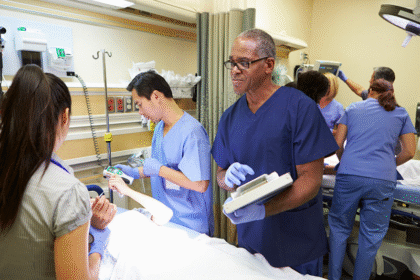
Emergency rooms are trained to handle urgent cases, and early treatment often makes a big difference in recovery.
Final Thoughts
Understanding symptoms that require immediate medical attention can help you respond quickly in emergencies. Many serious health conditions start with warning signs that should never be ignored.
Chest pain, breathing difficulty, sudden weakness, severe headache, uncontrolled bleeding, and confusion are just a few examples of symptoms that need fast action.
Listening to your body and acting early can protect your health and even save lives. Awareness is not just helpful—it is essential.
Frequently Asked Questions (FAQs)
1. How do I know if my symptom is serious or not?
If a symptom is sudden, severe, or unusual for your body, it should not be ignored. When in doubt, it is safer to consult a doctor immediately.
2. Can mild chest pain also be dangerous?
Yes. Even mild chest pain can sometimes be related to heart problems. It is always better to get it checked, especially if it comes with other symptoms like breathlessness.
3. What should I do first in an emergency situation?
Stay calm and call emergency medical services or go to the nearest hospital. Avoid self-medication in serious cases.
4. Are all headaches dangerous?
No, most headaches are harmless. But sudden, severe, or unusual headaches can be a warning sign of a serious condition.
5. Why is quick action important during medical emergencies?
Quick action can prevent complications, reduce damage, and in some cases, save lives. Many conditions are treatable if caught early.