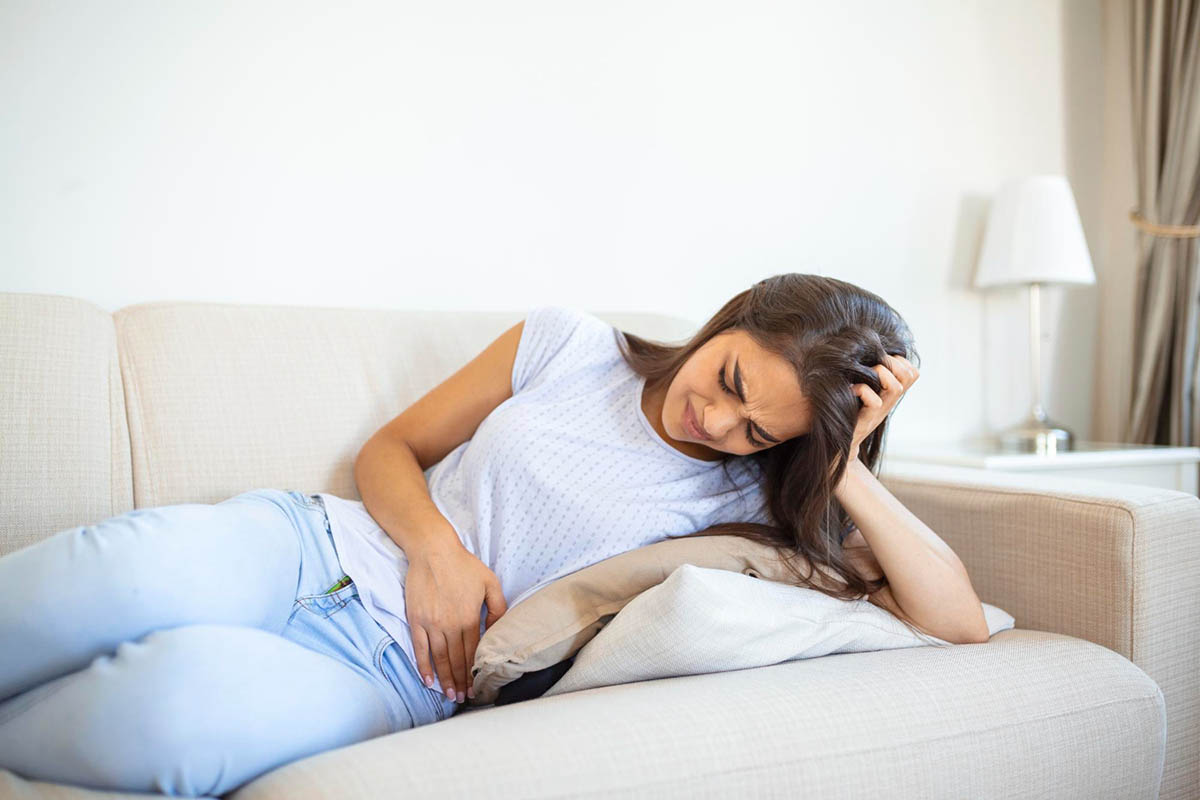

Irregular periods are something many people experience at different stages of life. A “regular” menstrual cycle usually comes every 21 to 35 days, and the bleeding lasts about 2 to 7 days. But when your cycle becomes unpredictable—sometimes early, sometimes late, or even skipped—it is called irregular periods.
This can feel confusing or worrying, especially if you don’t know why it is happening. The good news is that irregular periods are common, and in many cases, they can be managed once the cause is understood.
In this article, we will explore the main causes of irregular periods, treatment options, and simple lifestyle changes that may help improve your cycle.
What Are Irregular Periods?
Irregular periods mean that your menstrual cycle does not follow a consistent pattern. This can include:
- Periods coming earlier or later than expected
- Missing periods for one or more months
- Very heavy or very light bleeding
- Different cycle lengths every month
Sometimes irregular cycles happen for a short time, and other times they can continue for months or longer.
Common Causes of Irregular Periods
There are many possible reasons why periods become irregular. Let’s look at the most common ones in simple terms.
1. Hormonal Imbalance
Hormones control your menstrual cycle. If hormones like estrogen and progesterone are not balanced, your cycle can become irregular. This is one of the most common causes.
Hormonal imbalance can happen due to stress, age, weight changes, or medical conditions.
2. Stress and Emotional Pressure
Stress has a strong effect on the body. When you are stressed, your brain can affect hormone production, which may delay or stop ovulation.
Common stress sources include:
- Work pressure
- Studies
- Family problems
- Emotional anxiety
Even long-term stress can make your cycle unpredictable.
3. Polycystic Ovary Syndrome (PCOS)
PCOS is a common health condition where the ovaries produce higher levels of male hormones. This can cause:
- Irregular or missed periods
- Acne
- Weight gain
- Excess hair growth
PCOS is one of the leading causes of irregular cycles in young women.
4. Thyroid Problems
The thyroid is a small gland in your neck that controls metabolism. If it is underactive or overactive, it can affect your menstrual cycle.
- Hypothyroidism (low thyroid activity) may cause heavy or delayed periods
- Hyperthyroidism (high thyroid activity) may cause lighter or missed periods
5. Sudden Weight Changes
Your body needs a healthy amount of fat for normal hormone production. If you lose or gain weight quickly, it can disturb your cycle.
- Very low weight can stop periods
- Obesity can cause irregular or heavy periods
6. Excess Exercise
While exercise is healthy, too much intense physical activity can affect hormones. Athletes or people who exercise heavily may experience missed periods.
7. Birth Control Methods
Some contraceptive methods, like pills, injections, or implants, can change your menstrual pattern. In the beginning, irregular bleeding is common.
8. Pregnancy or Breastfeeding
Pregnancy naturally stops periods. After childbirth, breastfeeding can delay the return of normal cycles due to hormone changes.
9. Perimenopause
This is the stage before menopause, usually starting in women in their 40s. Hormone levels fluctuate, causing irregular cycles.
Symptoms That May Accompany Irregular Periods
Irregular periods may come with other signs such as:
- Mood swings
- Acne breakouts
- Unusual hair growth
- Pelvic pain
- Fatigue
- Heavy or painful bleeding
These symptoms can help doctors understand the cause.
Treatment Options for Irregular Periods
Treatment depends on the root cause. There is no “one-size-fits-all” solution, but here are common approaches.
1. Lifestyle Changes
In many cases, improving daily habits can help regulate periods.
Helpful changes include:
- Eating a balanced diet
- Maintaining a healthy weight
- Reducing stress
- Getting regular sleep
- Exercising moderately
These changes support hormone balance naturally.
2. Managing Stress
Since stress is a major factor, relaxation techniques can help, such as:
- Deep breathing exercises
- Yoga or meditation
- Spending time outdoors
- Reducing screen time
Even small daily habits can make a difference over time.
3. Medical Treatments
Doctors may prescribe treatments depending on your condition:
- Hormonal birth control pills to regulate cycles
- Thyroid medication if thyroid is the issue
- Metformin for PCOS in some cases
- Iron supplements if there is heavy bleeding
Always use medication under medical supervision.
4. Treatment for PCOS
If PCOS is the cause, treatment may include:
- Weight management
- Hormone therapy
- Fertility treatments (if needed)
- Healthy diet changes
PCOS can be managed well with consistent care.
5. Treating Thyroid Issues
Thyroid disorders are treated with specific medications that balance hormone levels. Once thyroid levels become normal, menstrual cycles often improve.
6. Natural Remedies (Supportive Care)
Some people also use natural methods to support menstrual health:
- Herbal teas like ginger or chamomile
- Eating iron-rich foods
- Staying hydrated
- Including healthy fats like nuts and seeds
These are supportive steps, not replacements for medical care.
When to See a Doctor
You should consult a doctor if:
- Your periods are absent for 3 months or more
- You have very heavy bleeding
- You experience severe pain
- Your cycle suddenly changes without reason
- You suspect pregnancy or hormonal issues
Early diagnosis helps prevent complications.
How to Track Your Periods
Tracking your cycle can help identify patterns. You can:
- Use a calendar or mobile app
- Note start and end dates
- Record symptoms
- Track mood and lifestyle changes
This information is very helpful for doctors.
Conclusion
Irregular periods are common and usually not dangerous, but they should not be ignored. Many factors like stress, hormonal imbalance, thyroid problems, or lifestyle habits can affect your cycle.
The good news is that most causes can be treated or managed. By improving your lifestyle, reducing stress, and seeking medical advice when needed, you can bring your menstrual cycle back to a healthy rhythm.
Understanding your body is the first step toward better health.
Frequently Asked Questions (FAQs)
1. Are irregular periods normal?
Yes, occasional irregular periods are normal, especially during puberty, stress, or hormonal changes. But long-term irregularity should be checked.
2. Can stress really delay periods?
Yes, stress can affect hormones in the brain, which may delay or even stop ovulation temporarily.
3. Is PCOS dangerous?
PCOS is not life-threatening, but it can cause long-term health issues if not managed, such as infertility or metabolic problems.
4. Can diet affect menstrual cycles?
Yes, poor diet or sudden weight changes can disturb hormone balance and make periods irregular.
5. When should I worry about irregular periods?
You should see a doctor if your periods stop for several months, become very painful, or change suddenly without explanation.