
As people grow older, their bodies naturally change. Muscles may weaken, balance can become less steady, and vision may not be as sharp as it once was. Because of these changes, falls become a serious concern for seniors. A simple fall can lead to injuries like fractures, head trauma, or even long-term disability. The good news is that many falls can be prevented with simple, thoughtful steps taken at home.
This article will explain in an easy and practical way how to reduce the risk of falls for seniors living at home. Whether you are caring for an older loved one or planning ahead for yourself, these tips can make a big difference.
Why Fall Prevention Is Important
Falls are one of the leading causes of injury among older adults. Even a small slip can result in broken bones or hospital visits. But beyond physical injuries, falls can also affect confidence. After a fall, seniors may feel afraid to move around, which can lead to less activity, weaker muscles, and even more risk of falling again.
Preventing falls is not just about safety—it’s about maintaining independence, confidence, and quality of life.
1. Make the Home Safer
The home should be a place of comfort, not danger. Many falls happen because of simple hazards that can easily be fixed.
Remove Tripping Hazards
- Keep floors clear of clutter like shoes, wires, and loose items
- Remove or secure loose rugs with non-slip backing
- Arrange furniture to allow easy walking paths
Improve Lighting
- Ensure all rooms, hallways, and stairs are well-lit
- Use night lights in bedrooms and bathrooms
- Install light switches near entrances so seniors don’t walk in the dark
Install Safety Features
- Add grab bars in bathrooms near toilets and inside showers
- Use non-slip mats in the bathtub and on bathroom floors
- Install handrails on both sides of staircases
These small changes can greatly reduce the chances of slipping or tripping.
2. Encourage Regular Exercise
Staying active is one of the best ways to prevent falls. Exercise helps improve strength, balance, and coordination.
Useful Types of Exercise
- Balance exercises like standing on one foot
- Strength training for legs and core muscles
- Walking to maintain mobility
- Gentle stretching to keep joints flexible
Activities like yoga or tai chi are especially helpful because they combine balance, flexibility, and calm movement.
Before starting any exercise routine, it’s always wise for seniors to consult a doctor to ensure safety.
3. Check Vision and Hearing
Poor vision or hearing can increase the risk of falls. If a senior cannot clearly see obstacles or hear warnings, accidents are more likely.
What to Do
- Schedule regular eye checkups
- Update eyeglass prescriptions when needed
- Ensure proper lighting when reading or moving around
- Check hearing regularly and use hearing aids if required
Clear vision and good hearing help seniors stay aware of their surroundings.
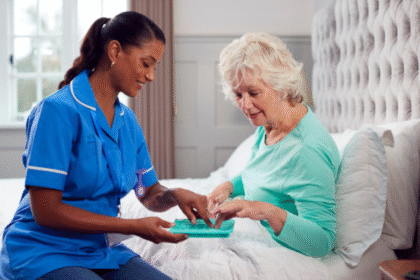
4. Review Medications
Some medications can cause side effects such as dizziness, sleepiness, or confusion. These side effects can increase fall risk.
Safety Tips
- Review all medications with a doctor or pharmacist
- Avoid mixing medicines without professional advice
- Be cautious when starting a new medication
- Watch for symptoms like dizziness or weakness
If any medication causes balance issues, a doctor may adjust the dose or suggest an alternative.
5. Wear Proper Footwear
Shoes play a big role in preventing falls. Slippery or loose footwear can easily lead to accidents.
Best Choices
- Wear shoes with non-slip soles
- Avoid high heels or loose slippers
- Choose well-fitted shoes that support the feet
- Avoid walking in socks on smooth floors
Proper footwear provides stability and reduces slipping.
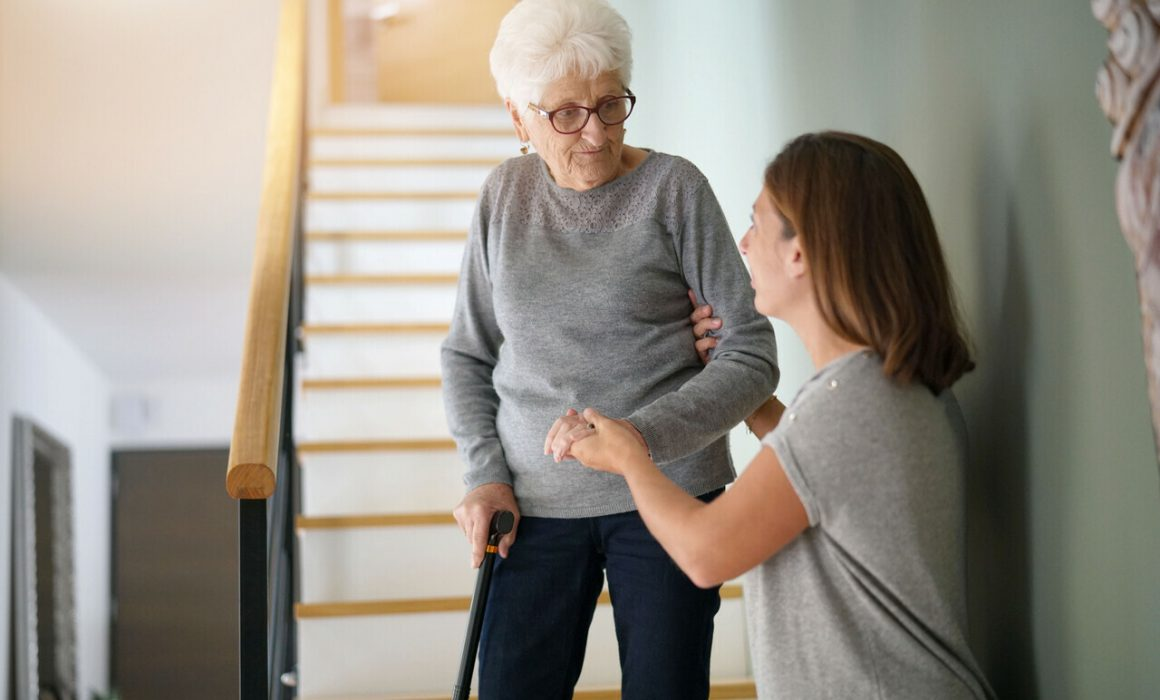
6. Use Assistive Devices
Sometimes, seniors need a little extra support to move safely. Using assistive devices is a smart and helpful choice—not a sign of weakness.
Common Devices
- Walking canes
- Walkers
- Handrails
- Raised toilet seats
These tools help maintain balance and reduce strain while moving around.
7. Stay Hydrated and Eat Well
Good nutrition supports strong muscles and healthy bones. Dehydration, on the other hand, can cause dizziness and weakness.
Healthy Habits
- Drink enough water throughout the day
- Eat balanced meals with fruits, vegetables, and protein
- Include calcium and vitamin D for bone strength
A healthy body is more stable and less likely to fall.
8. Take Time When Moving
Rushing is a common cause of falls. Seniors should be encouraged to move slowly and carefully.
Helpful Tips
- Sit for a moment before standing up
- Use support when getting out of bed or chairs
- Avoid sudden movements
- Take small, steady steps
Simple patience can prevent many accidents.
9. Keep Emergency Help Available
Even with precautions, falls can still happen. Being prepared can reduce the impact.
Safety Measures
- Keep a phone within reach at all times
- Use emergency alert systems if living alone
- Share contact numbers with neighbors or family
- Learn how to safely get up after a fall
Quick help can prevent complications and provide peace of mind.
10. Encourage Open Communication
Seniors may sometimes hide falls due to embarrassment or fear of losing independence. This can be dangerous.
What to Do
- Encourage honest conversations about falls or near-misses
- Listen without judgment
- Focus on safety, not blame
- Work together to improve the environment
A supportive approach helps seniors feel safe sharing concerns.
Conclusion
Preventing falls at home is not about making life difficult—it’s about making life safer and more comfortable. With simple changes like better lighting, regular exercise, proper footwear, and safe home design, the risk of falls can be greatly reduced.
Every small step matters. By paying attention to safety and encouraging healthy habits, seniors can continue to live independently and confidently in their own homes.
Frequently Asked Questions (FAQs)
1. What is the most common cause of falls in seniors?
The most common causes include poor balance, weak muscles, unsafe home environments, and side effects from medications.
2. How can I quickly make my home safer for an elderly person?
Start by removing clutter, improving lighting, installing grab bars, and securing loose rugs.
3. Are falls a normal part of aging?
No, falls are common but not a normal part of aging. Many falls can be prevented with the right precautions.
4. What exercises are best for preventing falls?
Balance exercises, walking, strength training, and activities like yoga or tai chi are very effective.
5. When should a senior use a walker or cane?
A walker or cane should be used when there is difficulty maintaining balance or walking safely. A doctor can recommend the best option.