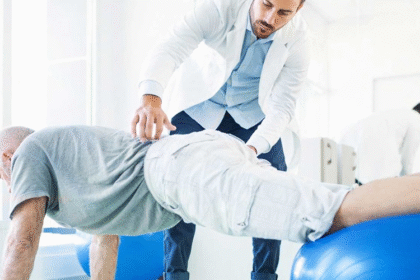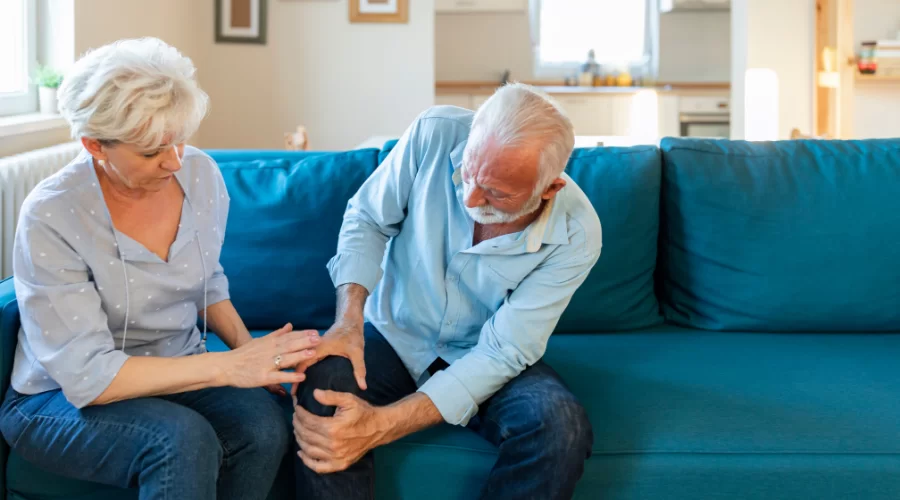

Arthritis is one of those health problems that slowly affects daily life. It can make simple tasks like walking, climbing stairs, or even holding a cup feel uncomfortable. Many people immediately think of painkillers when they hear the word “arthritis,” but the truth is that there are many effective ways to manage arthritis pain without relying only on medication.
This article explains easy, natural, and practical methods that can help reduce arthritis pain, improve movement, and support a better quality of life. Everything is written in simple language so it’s easy to understand and apply in daily life.
Understanding Arthritis in Simple Words
Arthritis is not just one disease. It is a general term used for joint pain and inflammation. The most common types are osteoarthritis and rheumatoid arthritis.
- Osteoarthritis happens when the protective cartilage between bones wears down over time.
- Rheumatoid arthritis is an autoimmune condition where the body’s immune system mistakenly attacks the joints.
Both types can cause pain, stiffness, swelling, and reduced movement. While medication can help, lifestyle changes and natural methods can also make a big difference.
1. Keep Your Body Moving (Gentle Exercise Helps a Lot)
One of the most powerful ways to reduce arthritis pain is movement. It may sound strange because pain often makes people want to rest, but too much rest can actually make joints stiffer.
Simple exercises can help:
- Walking at a slow or comfortable pace
- Light stretching in the morning
- Swimming or water exercises
- Yoga or gentle movement exercises
Water exercises are especially helpful because water supports the body and reduces pressure on the joints.
The goal is not to push hard, but to stay active consistently. Even 15–20 minutes a day can improve flexibility over time.
2. Maintain a Healthy Weight
Extra body weight puts extra pressure on joints, especially knees, hips, and ankles. When you reduce even a small amount of weight, the pressure on your joints decreases significantly.
For example, losing just 5–7 kilograms can reduce knee pain in many people with arthritis.
Healthy weight management includes:
- Eating balanced meals
- Reducing sugary and fried foods
- Staying active daily
This is not about strict dieting. It is about making steady, long-term changes that your body can handle comfortably.
3. Use Heat and Cold Therapy
Heat and cold are simple but powerful tools for arthritis pain.
Heat therapy:
Heat relaxes muscles and improves blood flow. You can use:
- Warm towels
- Heating pads
- Warm baths
It is especially helpful for morning stiffness.
Cold therapy:
Cold reduces swelling and numbs pain. You can use:
- Ice packs wrapped in cloth
- Cold gel packs
Cold therapy is helpful after activity or when joints feel swollen.
Many people find that switching between heat and cold gives the best relief.
4. Eat Anti-Inflammatory Foods
Food plays a big role in how your body feels. Some foods increase inflammation, while others reduce it.
Helpful foods include:
- Fresh fruits like oranges, berries, and apples
- Vegetables like spinach, broccoli, and carrots
- Nuts and seeds
- Fish rich in omega-3 (like salmon or sardines)
- Olive oil
On the other hand, try to reduce:
- Processed foods
- Excess sugar
- Deep-fried items
- Soft drinks
Eating well does not cure arthritis, but it can reduce inflammation and improve energy levels.
5. Try Gentle Stretching Every Day
Stretching helps keep joints flexible. It reduces stiffness and improves movement.
Some simple stretches include:
- Neck rotation (slowly turning your head side to side)
- Shoulder rolls
- Finger bending exercises
- Knee straightening while sitting
Do stretching slowly and gently. Never force your body into pain. The idea is to relax the joints, not stress them.
Morning is a great time for stretching because the body is usually stiff after sleep.
6. Improve Your Sleep Quality
Sleep is often ignored, but it is very important for pain management. Poor sleep can make arthritis pain feel worse.
To sleep better:
- Keep a fixed sleep schedule
- Avoid screens before bed
- Use a comfortable mattress and pillow
- Sleep in a position that reduces joint pressure
Good sleep helps the body repair itself and reduces sensitivity to pain.
7. Manage Stress and Mental Health
Stress can increase pain levels in the body. When you are stressed, your muscles tighten, and inflammation can increase.
Simple stress-reducing methods include:
- Deep breathing exercises
- Meditation
- Listening to calm music
- Spending time in nature
- Talking to friends or family
Even 10 minutes of calm breathing daily can make a noticeable difference over time.
8. Use Supportive Devices When Needed
Sometimes small tools can reduce joint strain and pain. These include:
- Knee braces
- Walking sticks
- Comfortable orthopedic shoes
- Cushioned insoles
These tools help reduce pressure on painful joints and make movement easier.
There is no shame in using support devices. They are designed to protect your joints and improve comfort.
9. Stay Hydrated
Water is important for joint health. When the body is dehydrated, joints may feel more stiff and uncomfortable.
Try to drink enough water throughout the day. Herbal teas and water-rich fruits like watermelon also help.
A well-hydrated body supports better joint lubrication and movement.
10. Build a Daily Routine You Can Follow
Consistency matters more than intensity. A simple daily routine might look like:
- Morning stretching (10–15 minutes)
- Short walk
- Healthy meals
- Light movement during the day
- Relaxation in the evening
You don’t need to do everything perfectly. The goal is steady improvement, not perfection.
Final Thoughts
Managing arthritis pain without medication is possible, but it requires patience and consistency. Natural methods like exercise, good food, stress control, and proper sleep can all work together to improve your comfort and mobility.
There is no single solution that works instantly. Instead, small daily habits create long-term relief. The key is to listen to your body and make changes that feel realistic and sustainable.
With time, many people find that these simple lifestyle changes make a real difference in how they live with arthritis.
FAQs
1. Can arthritis pain really be managed without medication?
Yes, many people manage arthritis pain using lifestyle changes like exercise, diet, weight control, and therapy techniques. However, results vary from person to person.
2. What is the best natural way to reduce arthritis pain quickly?
Heat therapy, gentle stretching, and light movement often provide quick relief from stiffness and discomfort.
3. Is walking good for arthritis?
Yes, walking is one of the best low-impact exercises for arthritis. It keeps joints flexible and improves blood flow without putting too much stress on the body.
4. Can diet really affect arthritis pain?
Yes, certain foods can increase or reduce inflammation in the body. A healthy, balanced diet can help reduce pain and improve overall health.
5. Should I completely avoid rest if I have arthritis?
No. Rest is important during severe pain or flare-ups, but long periods of inactivity can make joints stiffer. A balance of rest and gentle movement is best.