
Uterine fibroid embolization (UFE) is a minimally invasive treatment for uterine fibroids, and it works by blocking blood flow to the tumors. Fibroids are noncancerous growths in the uterus. Since fibroids depend on blood supply, they often shrink after this procedure. Here is more information about this procedure:
Avoiding Invasive Surgery
Traditional surgery removes fibroids or the uterus, but uterine fibroid embolization uses a small entry site near the wrist or groin. No large surgical cut is needed. Since the approach is minimally invasive, patients typically return home the same day.
General anesthesia is not always required, and sedation helps manage comfort during treatment. Hospital stays are typically shorter. While recovery still involves downtime, patients often avoid the longer healing period linked to open surgery.
Shrinking Uterine Fibroids
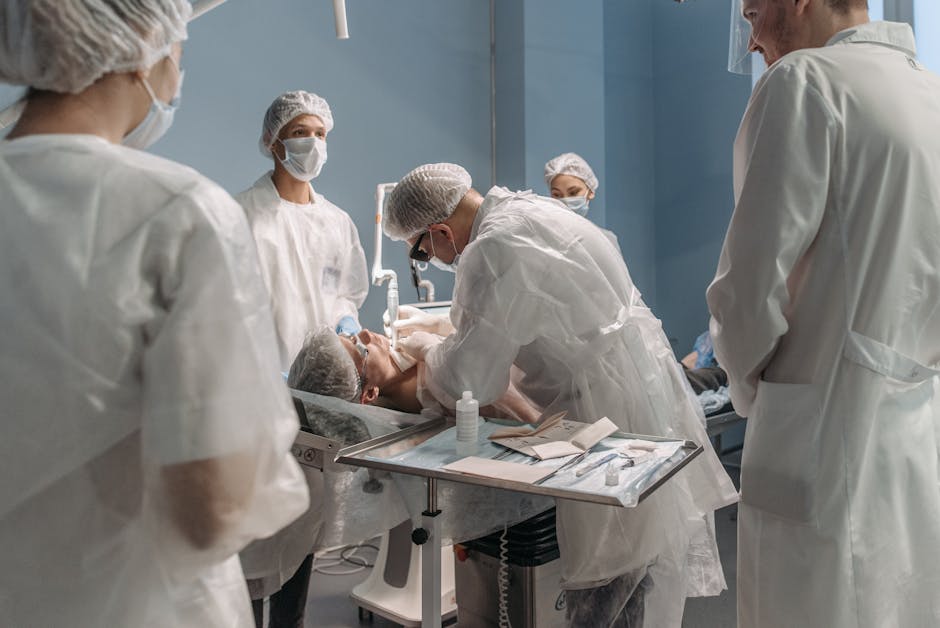
During UFE, an interventional radiologist inserts a small catheter through an artery, and tiny particles move toward the fibroids. The particles block targeted vessels. When blood flow drops, fibroid tissue shrinks over time because it no longer receives the same support.
Doctors use imaging during the procedure, but the treatment does not require large incisions. Recovery tends to differ by patient. Since UFE targets fibroids from inside the blood vessels, the uterus remains in place. Many patients seek treatment for symptoms tied to fibroid size, and bulk-related pressure often affects daily activity. Typical issues include:
- Pelvic pressure
- Frequent urination
- Increased bloating
Alleviating Pain
Fibroids may cause pelvic pain, heavy periods, and cramping, and these symptoms often disrupt work and sleep. Some patients also report pain during sex. When fibroids lose blood supply, symptom patterns may change as the treated tissue shrinks.
Pain after UFE typically appears as cramping, but doctors typically address it with medication and aftercare instructions. Short-term soreness is a side effect. Since post-procedure symptoms vary, follow-up visits help track recovery and manage concerns.
For many patients, symptom relief matters as much as fibroid size, and pain reduction is one reason they ask about UFE. Doctors may review:
- Pain level
- Bleed patterns
- Pressure symptoms
If symptoms improve over time, daily tasks may be more manageable because pelvic discomfort becomes less frequent.
Preventing Cancer
Uterine fibroids are usually benign, and UFE does not serve as a cancer prevention treatment. This point matters. While fibroids and cancer both affect the uterus, they are not the same condition.
A rare cancer called uterine sarcoma may resemble fibroids on imaging, but it requires a different treatment plan. Doctors assess symptoms, imaging, and medical history. Since no procedure fits every diagnosis, proper evaluation guides the next step.
Patients with rapid growth, unusual bleeding, or other warning signs need a full medical review, and that review may include imaging or biopsy. UFE treats fibroids. Since cancer care follows a different path, accurate diagnosis comes before treatment selection.
Schedule Uterine Fibroid Embolization
UFE offers a nonsurgical option for fibroid treatment, and it focuses on reducing blood flow to the growths. The procedure has clear limits. If you have fibroid symptoms, schedule an evaluation to discuss whether uterine fibroid embolization fits your diagnosis and treatment goals.
- Tips for Eczema Caregivers on Daily Routines for Effective Skin Management
- 3 Things To Know About Robotic Spine Surgery
- Steps and Requirements to Become a Psychiatric Nurse Practitioner
- Minimally Invasive Treatment for Uterine Fibroid Embolization
- Elements To Evaluate When Selecting a Water Filter System