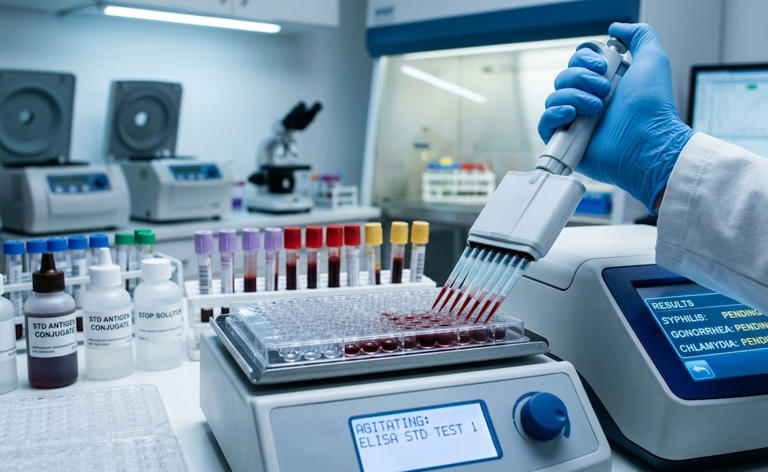

Sexually transmitted diseases (STDs), also called sexually transmitted infections (STIs), are infections that spread mainly through sexual contact. These infections can affect anyone who is sexually active, regardless of age, gender, or background. One of the biggest challenges with STDs is that in their early stages, the symptoms can be very mild, unclear, or sometimes completely absent. Because of this, many people may not even realize they are infected and can unknowingly pass the infection to others.
Understanding the symptoms of sexually transmitted diseases in early stages is very important for early detection, treatment, and prevention of complications. In this article, we will explore the early warning signs of common STDs in simple language, explain how they may appear in different people, and also discuss why regular health checks are important.
Why Early Symptoms Are Often Missed
One of the main reasons STDs spread easily is that early symptoms are not always obvious. Some infections stay silent for weeks or even months. In other cases, symptoms may be so mild that people mistake them for minor skin irritation, allergies, or common infections.
Another reason is embarrassment or fear, which stops many individuals from seeking medical advice. However, ignoring early signs can lead to serious health problems later, including infertility, long-term pain, or complications in other organs.
Common Early Symptoms of STDs
Although different STDs have different symptoms, there are some general early signs that should never be ignored.
1. Unusual Discharge
One of the most common early symptoms is unusual discharge from the vagina or penis. This discharge may look different in color, smell, or thickness. It can be yellow, green, or cloudy and may have a strong odor. While not always painful, it is a clear sign that something is wrong.
2. Burning Sensation During Urination
A burning or painful feeling while urinating is another early symptom. This can happen in infections like chlamydia or gonorrhea. Many people confuse this with a urinary tract infection, but if it continues, it should be checked by a doctor.
3. Itching or Irritation
Mild itching in the genital area may appear in the early stages of some STDs. This itching may come and go and is often ignored. However, persistent irritation should not be overlooked.
4. Small Sores or Bumps
Some infections cause small sores, blisters, or bumps around the genital or mouth area. These may not always be painful at first, but they can spread or become painful over time. Herpes and syphilis are common infections that show such symptoms.
5. Pain During Sexual Activity
Pain or discomfort during intercourse is another early warning sign. It may feel like a burning sensation or deep internal pain. This symptom should always be taken seriously.
6. Swollen Lymph Nodes
Lymph nodes in the groin area may become swollen when the body is fighting an infection. This is often a sign that the immune system is responding to an STD.
7. Mild Fever or Fatigue
Some STDs may cause general symptoms like tiredness, mild fever, or body weakness. These symptoms are often mistaken for flu or stress, which makes diagnosis more difficult.
Early Symptoms in Men and Women
Although many symptoms are similar, there are some differences between men and women.
In Women:
- Abnormal vaginal discharge
- Pain in the lower abdomen
- Bleeding between periods
- Pain during intercourse
- Vaginal itching or burning
In Men:
- Discharge from the penis
- Burning during urination
- Pain or swelling in the testicles
- Sores on the penis or surrounding area
Because women often experience mild or hidden symptoms, STDs can sometimes go undetected for longer periods in females.
Why Early Detection Is Important
Detecting STDs early can prevent serious health problems. If left untreated, infections can spread to other parts of the body and cause complications such as:
- Infertility in both men and women
- Long-term pelvic pain
- Pregnancy complications
- Increased risk of HIV infection
- Damage to internal organs
Early treatment is usually simple and effective, often involving antibiotics or antiviral medications depending on the infection.
How STDs Are Diagnosed
Doctors use different methods to diagnose STDs, including:
- Blood tests
- Urine tests
- Swab samples from affected areas
- Physical examination
Getting tested is the only way to confirm many infections because symptoms alone are not always reliable.
Prevention Tips
Preventing STDs is always better than treating them. Here are some simple ways to reduce the risk:
- Use protection such as condoms during sexual activity
- Get regular health screenings
- Avoid sharing personal items like towels or underwear
- Maintain good personal hygiene
- Have open communication with sexual partners
- Limit the number of sexual partners
Vaccines are also available for some infections like HPV and hepatitis B, which provide strong protection.
Living Without Fear or Shame
Many people feel embarrassed when talking about STDs, but it is important to understand that these infections are medical conditions like any other disease. They do not define a person’s character or value. Seeking help early shows responsibility and care for your own health and the health of others.
Doctors are trained to handle these situations professionally and confidentially. There is no reason to delay getting tested or treated.
Conclusion
The symptoms of sexually transmitted diseases in early stages are often subtle and easy to ignore. However, recognizing signs like unusual discharge, burning during urination, itching, or small sores can make a big difference in early diagnosis and treatment.
Awareness is the key. The earlier an STD is detected, the easier it is to treat and the lower the risk of long-term complications. Taking care of sexual health is an important part of overall well-being, and regular checkups should be a normal practice for everyone who is sexually active.
Frequently Asked Questions (FAQs)
1. Can STDs show symptoms immediately after infection?
No, most STDs do not show immediate symptoms. Some may take days, weeks, or even months to appear.
2. Can someone have an STD without any symptoms?
Yes, many people have STDs without any visible symptoms, which is why regular testing is important.
3. Are early STD symptoms always painful?
No, early symptoms are often mild and not painful, which makes them easy to ignore.
4. Can STDs be completely cured if detected early?
Many bacterial STDs can be fully cured with proper treatment. Viral infections can be managed but not always completely cured.
5. When should I see a doctor?
You should see a doctor if you notice unusual discharge, pain, sores, or any changes in your genital area, or if you think you may have been exposed to an infection.