
Breathing is something most people take for granted until it becomes difficult. Your respiratory system—made up of your lungs, airways, and breathing muscles—works constantly to bring oxygen into your body and remove carbon dioxide. When this system is strong and healthy, you feel more energetic, focused, and physically active. But when it is weak, even simple tasks like climbing stairs or walking short distances can feel exhausting.
The good news is that your respiratory health can improve through regular exercise. Just like muscles in your arms and legs, the muscles involved in breathing can also become stronger and more efficient with practice. In this article, we will explore the best exercises for improving respiratory health, how they work, and how you can include them in your daily life in a simple and practical way.
1. Why Respiratory Exercises Are Important
Before jumping into exercises, it is important to understand why they matter. Your lungs themselves do not have muscles like your biceps or legs. Instead, they rely on surrounding muscles such as the diaphragm, chest muscles, and abdominal muscles to help you breathe.
When these muscles are weak or stiff, breathing becomes shallow and less efficient. This can lead to fatigue, poor oxygen supply, and even increased stress levels. Respiratory exercises help in:
- Increasing lung capacity
- Strengthening breathing muscles
- Improving oxygen flow in the body
- Reducing breathlessness
- Supporting recovery from lung conditions
- Enhancing stamina and physical performance
Even people without breathing problems can benefit from these exercises because they improve overall health and fitness.
2. Diaphragmatic Breathing (Belly Breathing)
Diaphragmatic breathing is one of the simplest yet most powerful exercises for improving respiratory health. It focuses on using the diaphragm properly instead of shallow chest breathing.
How to do it:
- Sit or lie down in a comfortable position
- Place one hand on your chest and the other on your stomach
- Inhale slowly through your nose
- Try to make your stomach rise while your chest stays still
- Exhale slowly through your mouth
Benefits:
This exercise helps strengthen the diaphragm, improves oxygen intake, and reduces stress. It is often recommended for people with asthma or anxiety-related breathing issues.
Practicing this for 5–10 minutes daily can make a noticeable difference in your breathing efficiency.
3. Pursed Lip Breathing
Pursed lip breathing is another simple technique that helps control shortness of breath and improves airflow.
How to do it:
- Inhale slowly through your nose for about 2 seconds
- Pucker your lips like you are going to whistle
- Exhale slowly through your pursed lips for about 4 seconds
Benefits:
This technique keeps airways open longer, helping to release trapped air from the lungs. It is especially helpful during physical activity like walking or climbing stairs.
Many people with lung conditions use this method to stay calm and breathe more effectively.
4. Aerobic Exercises (Walking, Cycling, Swimming)
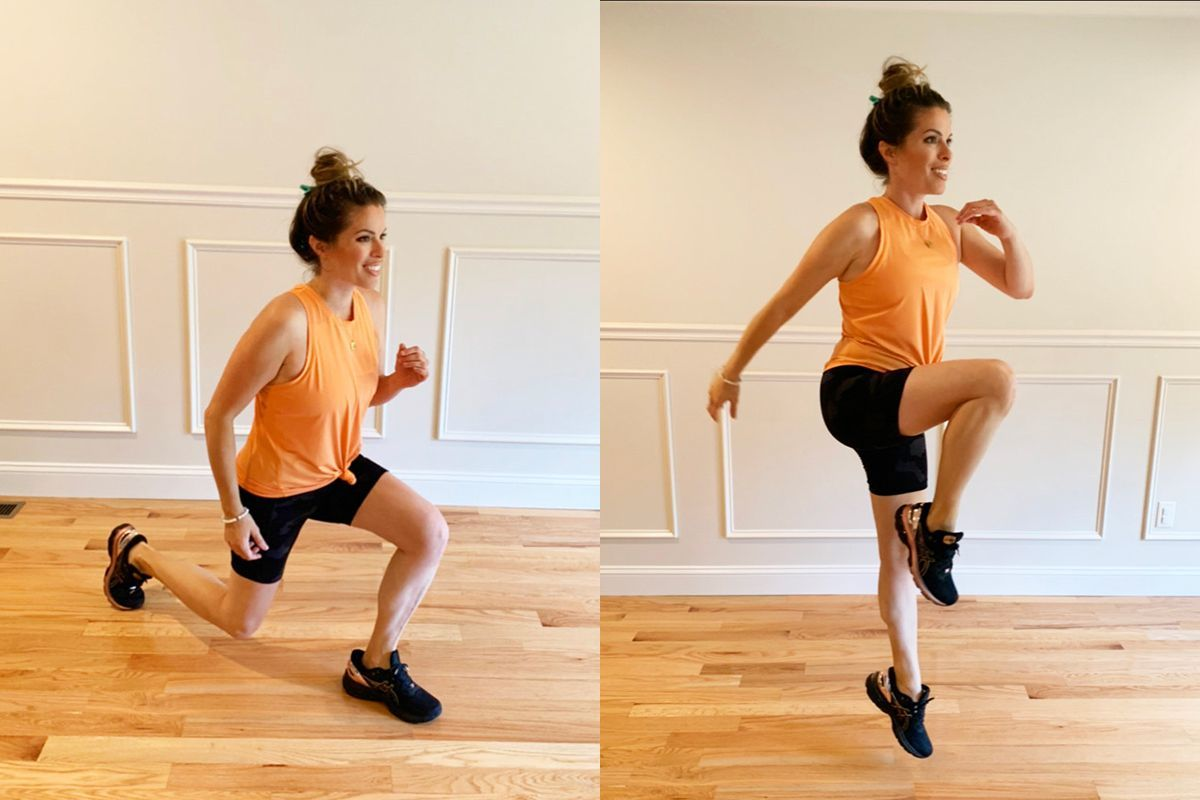
Aerobic exercises are activities that increase your heart rate and breathing rate in a healthy way. These are some of the best natural ways to improve lung capacity.
Examples:
- Brisk walking
- Cycling
- Swimming
- Dancing
How they help:
Aerobic exercises force your lungs to work harder, which strengthens them over time. They also improve blood circulation, meaning oxygen is delivered more efficiently throughout your body.
Swimming is especially good because the breathing pattern used in water helps strengthen lung control.
Even 20–30 minutes of aerobic exercise daily can significantly improve respiratory health.
5. Yoga for Lung Strength
Yoga is not just about flexibility; it is also a powerful tool for improving breathing. Many yoga poses and breathing techniques (called pranayama) directly support lung function.
Useful yoga practices:
- Anulom Vilom (Alternate Nostril Breathing)
- Kapalbhati (Skull Shining Breath)
- Bhujangasana (Cobra Pose)
- Tadasana (Mountain Pose)
Benefits:
Yoga improves oxygen intake, reduces stress, and strengthens the diaphragm and chest muscles. It also helps clear blocked airways and improves posture, which makes breathing easier.
Even 15 minutes of yoga daily can improve lung performance over time.
6. Breath Holding Exercises
Breath-holding exercises help increase lung capacity and improve control over breathing.
How to do it:
- Take a deep breath in
- Hold it comfortably for a few seconds (start with 5–10 seconds)
- Slowly exhale
- Repeat several times
Benefits:
This exercise trains your lungs to use oxygen more efficiently. It also improves tolerance to carbon dioxide, which helps reduce breathlessness during physical activity.
However, it should be done carefully and never forced.
7. Cardiovascular Training (Jogging and Running)
Jogging and running are more intense forms of aerobic exercise that significantly boost respiratory strength.
Benefits:
- Improves lung endurance
- Increases oxygen delivery capacity
- Strengthens respiratory muscles
- Boosts overall stamina
Beginners should start slowly with walking and gradually move to jogging to avoid strain. Over time, the lungs become more efficient at handling higher oxygen demands.
8. Blowing Exercises (Balloon Blowing or Straw Breathing)
These fun exercises are surprisingly effective for lung training.
Balloon blowing:
Blowing up balloons forces your lungs to work harder and increases capacity.
Straw breathing:
- Take a deep breath
- Exhale slowly through a straw into water or air
Benefits:
These exercises strengthen lung muscles and improve breath control. They are often used in physical therapy for people recovering from respiratory issues.
9. Posture Correction Exercises
Good posture plays an important role in respiratory health. Slouching compresses the lungs and reduces their ability to expand fully.
Exercises:
- Shoulder rolls
- Chest opening stretches
- Sitting upright with relaxed shoulders
Benefits:
Proper posture allows the lungs to expand fully, increasing oxygen intake and improving breathing efficiency.
10. Daily Breathing Practice Routine
To improve respiratory health, consistency is key. A simple daily routine can include:
- 5 minutes of diaphragmatic breathing
- 5 minutes of pursed lip breathing
- 15–30 minutes of walking or cycling
- 10 minutes of yoga or stretching
This combination strengthens the lungs gradually and naturally.
Conclusion
Improving respiratory health does not require complicated equipment or intense training. Simple daily exercises like breathing techniques, yoga, walking, and posture correction can make a big difference over time. The key is consistency and patience.
Your lungs respond well to regular practice, and even small efforts can lead to noticeable improvements in energy, stamina, and overall well-being. Whether you are young or old, healthy or recovering from a condition, these exercises can help you breathe easier and live better.
FAQs
1. How long does it take to improve respiratory health with exercise?
Most people start noticing improvements within 2–4 weeks of regular practice, but long-term benefits come with consistent daily exercise.
2. Can these exercises help with asthma?
Yes, many breathing exercises like diaphragmatic breathing and pursed lip breathing can help reduce asthma symptoms, but they should not replace medical treatment.
3. Is walking enough to improve lung health?
Walking is a very good starting point, especially for beginners. However, combining it with breathing exercises gives better results.
4. Can children do these breathing exercises?
Yes, most breathing exercises are safe for children and can even help improve their focus and lung strength.
5. What is the best time to do respiratory exercises?
Morning is often the best time because the air is fresh and the body is relaxed, but they can be done at any time of the day consistently.