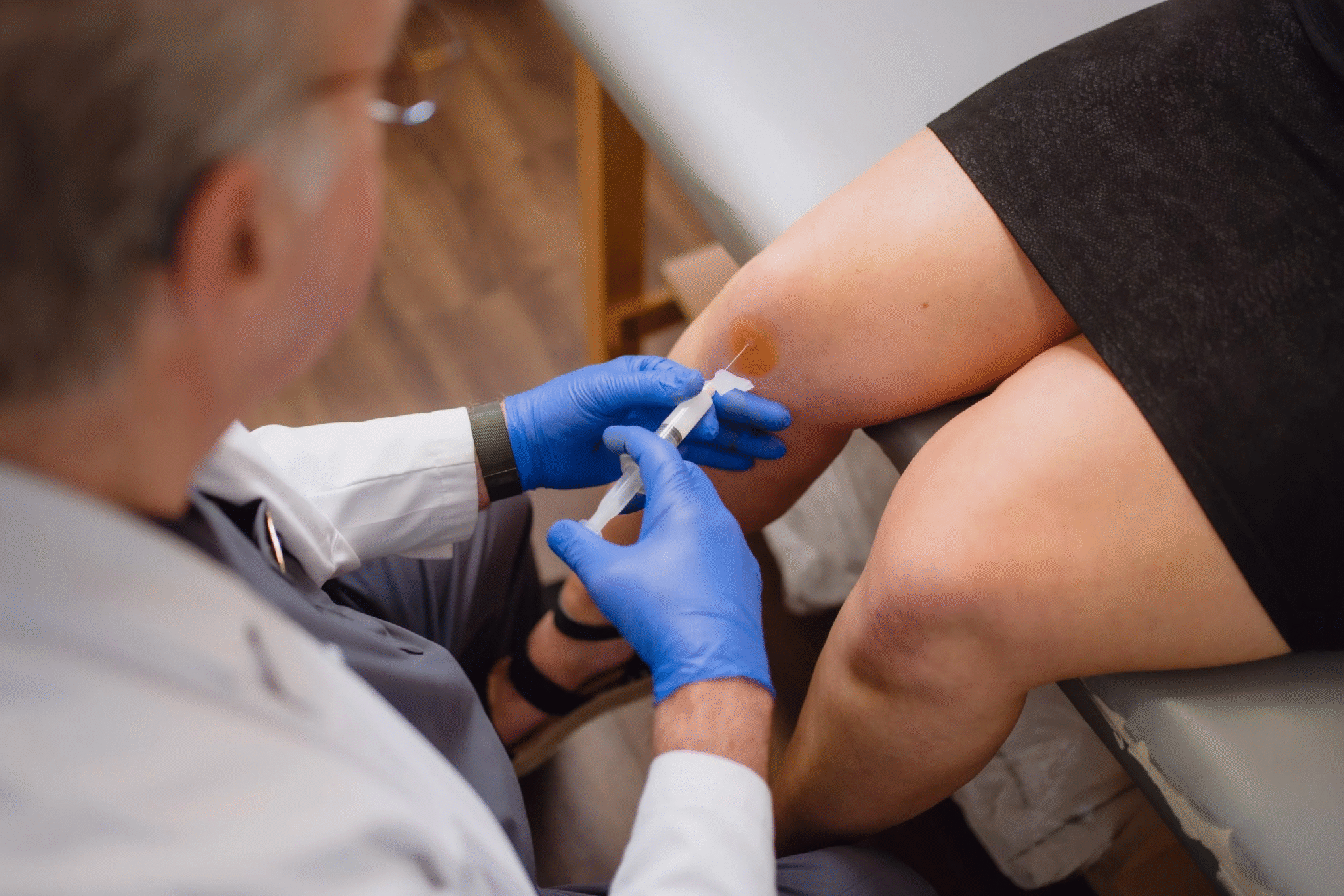

Joint pain is one of the most common health problems affecting people of all ages. It can appear in the knees, shoulders, hips, hands, or any other joint in the body. For some people, the pain is mild and comes and goes, while for others it can become constant and affect daily life. The good news is that many cases of joint pain can be managed and improved naturally without surgery.
In this article, we will explore simple, safe, and effective ways to treat joint pain naturally. These methods focus on lifestyle changes, home remedies, diet, and gentle exercises that support healing and reduce inflammation.
Understanding Joint Pain
Before learning how to treat it, it is important to understand what causes joint pain. Joints are the connections between bones, and they are supported by cartilage, ligaments, and fluids that allow smooth movement.
Joint pain can happen due to:
- Aging and natural wear and tear
- Arthritis (such as osteoarthritis or rheumatoid arthritis)
- Injury or overuse
- Inflammation in the body
- Lack of physical activity
- Excess body weight putting pressure on joints
When inflammation or damage occurs, movement becomes painful and stiff. Natural treatment focuses on reducing inflammation, improving mobility, and strengthening the joints.
1. Stay Active with Gentle Exercise
One of the best natural treatments for joint pain is regular movement. Many people think rest is better, but too much rest can actually make joints stiffer.
Gentle exercises help by:
- Improving blood flow to joints
- Strengthening muscles around joints
- Reducing stiffness and pain
Some good low-impact exercises include:
- Walking
- Swimming
- Cycling
- Yoga
- Stretching exercises
Even 20–30 minutes of light activity daily can make a big difference. The key is consistency, not intensity. Avoid heavy exercises that put stress on painful joints.
2. Maintain a Healthy Weight
Extra body weight puts pressure on weight-bearing joints like knees, hips, and ankles. Even a small amount of weight loss can significantly reduce joint pain.
For example, losing just 5–10% of body weight can reduce pressure on the knees and improve mobility.
Healthy weight management includes:
- Eating balanced meals
- Avoiding processed and sugary foods
- Drinking enough water
- Regular physical activity
When your body weight is balanced, your joints naturally feel less stress.
3. Use Natural Anti-Inflammatory Foods
Food plays a powerful role in joint health. Some foods increase inflammation, while others reduce it.
Foods that help reduce joint pain:
- Fatty fish like salmon and sardines (rich in omega-3 fatty acids)
- Turmeric (contains curcumin, a natural anti-inflammatory)
- Ginger
- Green leafy vegetables (spinach, kale)
- Nuts and seeds (almonds, walnuts, flaxseeds)
- Berries (blueberries, strawberries)
- Olive oil
These foods help reduce swelling and support joint repair.
Foods to avoid:
- Processed foods
- Sugary drinks
- Excess fried foods
- Refined carbohydrates
A clean and natural diet can slowly reduce joint inflammation over time.
4. Try Hot and Cold Therapy
Simple home treatments like heat and cold therapy can bring quick relief.
Cold therapy:
- Reduces swelling and inflammation
- Best for fresh injuries or flare-ups
You can use an ice pack wrapped in cloth for 10–15 minutes.
Heat therapy:
- Relaxes stiff muscles
- Improves blood flow
- Reduces chronic pain
You can use warm towels, heating pads, or warm baths.
Alternating between hot and cold therapy can also be very effective for some people.
5. Practice Yoga and Stretching
Yoga is one of the most powerful natural ways to manage joint pain. It improves flexibility, strengthens muscles, and reduces stress.
Simple yoga poses like:
- Child’s pose
- Cat-cow stretch
- Downward dog (modified if needed)
- Gentle seated stretches
These movements help keep joints flexible without strain.
Stretching daily also prevents stiffness and keeps your body active and relaxed.
6. Use Herbal Remedies
Many herbs have been traditionally used to reduce joint pain and inflammation.
Some popular natural remedies include:
- Turmeric tea
- Ginger tea
- Eucalyptus oil (for massage)
- Aloe vera gel
- Green tea
These natural ingredients help the body fight inflammation and promote healing. However, results may take time, so consistency is important.
7. Improve Posture and Daily Habits
Poor posture is a hidden cause of joint pain. Sitting or standing incorrectly puts unnecessary pressure on joints.
Simple improvements include:
- Sitting with a straight back
- Avoiding slouching
- Using supportive chairs
- Taking breaks from long sitting hours
- Sleeping with proper pillow support
Good posture reduces stress on joints and prevents pain from getting worse.
8. Stay Hydrated
Water is essential for joint health. Joints contain fluid that helps them move smoothly. When the body is dehydrated, joints can become stiff and painful.
Drinking enough water:
- Keeps joints lubricated
- Helps remove toxins from the body
- Supports cartilage health
Aim for at least 7–8 glasses of water daily.
9. Manage Stress
Stress can make pain worse. When you are stressed, your body releases chemicals that increase inflammation.
Natural stress-reducing methods include:
- Deep breathing exercises
- Meditation
- Listening to calming music
- Spending time in nature
- Getting enough sleep
A relaxed mind often leads to a more relaxed body.
10. Get Enough Rest and Sleep
Sleep is the body’s natural healing time. Poor sleep can increase pain sensitivity and slow recovery.
To improve sleep:
- Keep a regular sleep schedule
- Avoid screens before bedtime
- Use a comfortable mattress
- Sleep in a relaxed position
Good sleep helps the body repair damaged tissues and reduce inflammation.
Final Thoughts
Joint pain can be frustrating, but surgery is not always the first or only option. Many people experience significant relief through natural methods like exercise, healthy eating, lifestyle changes, and stress management.
The key is patience and consistency. Natural treatments take time, but they support long-term healing rather than temporary relief. By taking care of your body daily, you can reduce pain, improve movement, and enjoy a more active life without surgery.
Frequently Asked Questions (FAQs)
1. Can joint pain really be treated without surgery?
Yes, many cases of joint pain can be managed naturally through exercise, diet changes, weight control, and home remedies. Surgery is usually considered only in severe cases.
2. What is the fastest natural way to reduce joint pain?
Cold or heat therapy, gentle stretching, and anti-inflammatory foods like turmeric and ginger can provide quick relief, but long-term improvement comes from lifestyle changes.
3. Is walking good for joint pain?
Yes, walking is one of the best low-impact exercises. It helps strengthen muscles and keeps joints flexible without putting too much pressure on them.
4. Which foods should I avoid for joint pain?
You should limit processed foods, sugary drinks, fried foods, and refined carbs because they can increase inflammation in the body.
5. How long does it take to see improvement with natural treatments?
It depends on the person and the severity of the pain. Some people feel improvement in a few weeks, while others may take a few months of consistent care.