
Knee pain is one of the most common problems people face today, and it can affect anyone—young or old. It may come from long hours of sitting, aging, injury, extra body weight, or conditions like arthritis. The good news is that in many cases, you don’t always need heavy medication or expensive treatments. Simple and safe best exercises for knee pain relief at home can help reduce discomfort, improve movement, and strengthen the muscles that support your knees.
In this article, we will explore easy home exercises, how they help, and how you can do them safely. Everything is explained in a simple and practical way so you can start today.
Why Knee Pain Happens
Before jumping into exercises, it’s helpful to understand why knee pain occurs. The knee is a complex joint that carries most of your body weight. It connects the thigh bone (femur) with the shin bone (tibia). Around it are muscles, ligaments, and cartilage that keep it stable.
Common causes of knee pain include:
- Weak muscles around the knee
- Arthritis (wear and tear of cartilage)
- Injury or sprain
- Excess body weight
- Long periods of inactivity
- Overuse from running or jumping
When the muscles supporting the knee become weak, the joint takes more pressure, leading to pain and stiffness.
How Exercises Help Knee Pain
Exercise may sound strange when your knee hurts, but the right movements actually reduce pain over time. Gentle exercises:
- Strengthen muscles around the knee
- Improve flexibility and movement
- Increase blood flow to the joint
- Reduce stiffness
- Support weight distribution
The key is to do low-impact and controlled movements. Avoid sudden jumps or heavy strain.
Best Exercises for Knee Pain Relief at Home
Here are some simple and effective exercises you can do without equipment. You only need a mat or a chair.
1. Straight Leg Raises
This is one of the safest and most effective exercises for beginners.
How to do it:
- Lie down on your back
- Keep one leg bent and the other straight
- Slowly lift the straight leg about 12 inches off the ground
- Hold for 5 seconds
- Lower it slowly
Benefits:
- Strengthens thigh muscles (quadriceps)
- Reduces pressure on the knee joint
Do 10–15 repetitions for each leg.
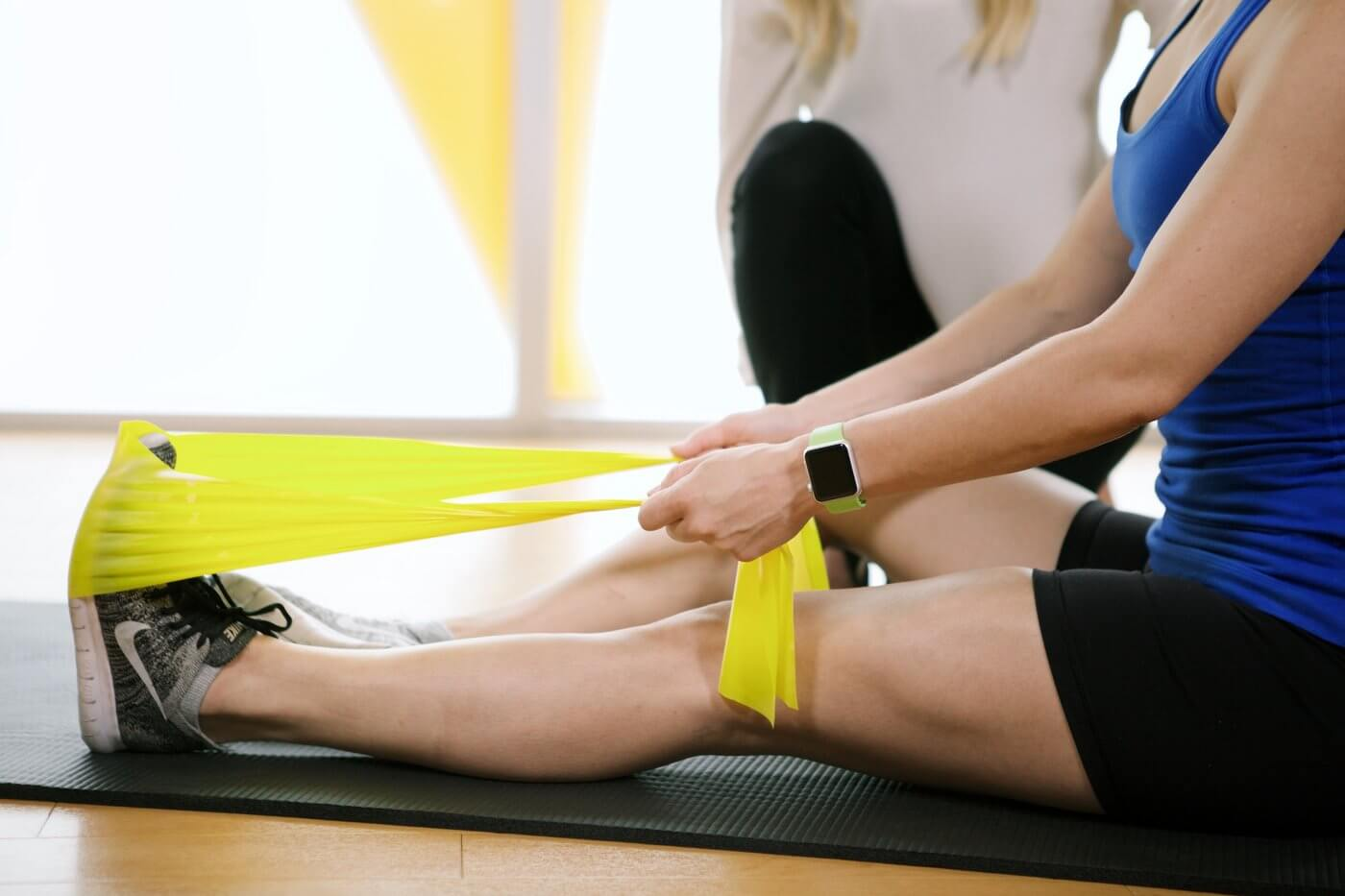
2. Hamstring Stretch
Tight hamstrings can increase knee pain. This stretch helps loosen them.
How to do it:
- Sit on the floor with one leg straight
- Keep the other leg bent inward
- Slowly reach toward your toes
- Hold for 15–20 seconds
Benefits:
- Improves flexibility
- Reduces stiffness around the knee
Repeat 2–3 times per leg.
3. Wall Squats (Partial Squats)
This is a gentle way to build strength without stressing the knees too much.
How to do it:
- Stand with your back against a wall
- Slide down slowly into a small squat position
- Do not go too low—just a comfortable bend
- Hold for 5–10 seconds
- Slowly rise back up
Benefits:
- Strengthens thighs and hips
- Supports knee stability
Start with 5–10 repetitions.
4. Heel and Calf Raises
This exercise improves balance and strengthens lower leg muscles.
How to do it:
- Stand straight, holding a chair for support
- Slowly rise on your toes
- Hold for 2–3 seconds
- Lower back down
Benefits:
- Improves balance
- Strengthens calf muscles
- Supports knee alignment
Do 10–15 repetitions.
5. Seated Knee Extensions
This is a very simple exercise you can even do while watching TV.
How to do it:
- Sit on a chair
- Slowly straighten one leg
- Hold for 5 seconds
- Bring it back down
Benefits:
- Strengthens knee muscles
- Reduces stiffness
Repeat 10–12 times per leg.
6. Side Leg Raises
This exercise strengthens outer thigh muscles.
How to do it:
- Lie on your side
- Keep your legs straight
- Slowly lift the top leg
- Hold for 2–3 seconds
- Lower it slowly
Benefits:
- Improves knee stability
- Strengthens hip muscles
Do 10–15 repetitions per side.
7. Step-Ups (Low Step)
This is useful for improving mobility.
How to do it:
- Use a small step or stair
- Step up with one foot
- Bring the other foot up
- Step down slowly
Benefits:
- Builds strength and balance
- Helps daily movement
Start with 10 repetitions per leg.
Tips for Safe Exercise
To avoid worsening knee pain, follow these simple tips:
- Warm up before starting
- Move slowly and gently
- Stop if you feel sharp pain
- Use a chair or wall for support
- Wear comfortable shoes
- Stay consistent but don’t overdo it
Remember, mild discomfort is okay, but sharp pain is a warning sign.
Lifestyle Tips to Reduce Knee Pain
Exercises work best when combined with healthy habits:
- Maintain a healthy weight
- Avoid sitting for long hours
- Use hot or cold compress when needed
- Eat foods rich in calcium and vitamin D
- Stay active with light walking
Small daily changes can make a big difference.
When to See a Doctor
While home exercises help many people, you should consult a doctor if:
- Pain is severe or constant
- Knee is swollen or red
- You cannot move your knee properly
- Pain started after a serious injury
Professional advice ensures there is no major damage.
Final Thoughts
Knee pain can be frustrating, but it doesn’t always have to control your life. With the right approach, you can manage it effectively at home. These best exercises for knee pain relief at home are simple, safe, and easy to follow. They help strengthen muscles, improve movement, and reduce discomfort over time.
The key is consistency. Doing a few minutes every day is better than doing too much at once. Listen to your body, stay patient, and you will notice improvement gradually.
FAQs
1. How often should I do knee exercises?
You can do gentle knee exercises daily or at least 4–5 times a week for best results.
2. Can exercise make knee pain worse?
If done incorrectly or too aggressively, yes. That’s why slow, controlled movements are important.
3. How long does it take to see improvement?
Most people notice improvement within 2–4 weeks of consistent exercise.
4. Should I exercise if my knee is swollen?
No. If there is swelling or severe pain, rest and consult a doctor first.
5. Can walking help knee pain?
Yes, light walking is very helpful as it improves blood flow and joint movement, but avoid over-walking on hard surfaces.