
Acid reflux is something many people experience at least once in their life. For some, it happens after a heavy meal or spicy food, but for others, it becomes a long-term problem that affects daily life. When acid reflux happens often and becomes more severe, doctors usually call it GERD, which stands for Gastroesophageal Reflux Disease.
In this article, we will talk in a very simple way about the symptoms of acid reflux, what GERD actually means, and the most effective GERD treatment options. This guide is written in an easy, human-friendly way so everyone can understand it without medical difficulty.
What is Acid Reflux?
Acid reflux happens when stomach acid moves back up into the food pipe (esophagus). Normally, there is a small muscle at the bottom of the esophagus called the lower esophageal sphincter. This muscle works like a door. It opens to let food enter the stomach and closes to keep acid inside the stomach.
But sometimes, this “door” becomes weak or relaxes at the wrong time. When that happens, stomach acid flows upward, causing irritation and discomfort. This is called acid reflux.
If acid reflux happens regularly—more than twice a week—it may be diagnosed as GERD.
Common Symptoms of Acid Reflux and GERD
The symptoms can be mild for some people but very uncomfortable for others. Here are the most common signs:
1. Heartburn
Heartburn is the most common symptom. It feels like a burning sensation in the chest, usually after eating. Many people mistake it for heart problems, but it is actually caused by stomach acid rising upward.
2. Sour or Bitter Taste in Mouth
When acid reaches the throat, it can leave a sour or bitter taste. This is often noticed when lying down or waking up in the morning.
3. Chest Pain or Discomfort
Some people feel pressure or pain in the chest. It may feel worse after eating large meals or when bending over.
4. Difficulty Swallowing
GERD can make the throat feel tight or irritated, making swallowing food uncomfortable.
5. Regurgitation
This means food or liquid coming back up into the mouth. It may feel like vomiting without force.
6. Chronic Cough
Acid irritation can reach the throat and cause a long-lasting cough that does not go away easily.
7. Hoarseness or Sore Throat
Stomach acid can irritate the vocal cords, causing a rough voice or sore throat.
8. Feeling of a Lump in the Throat
Many people with GERD describe feeling like something is stuck in their throat even when nothing is there.
9. Bloating and Burping
Excess gas and discomfort in the stomach are also common symptoms.
What Causes Acid Reflux and GERD?
There are many reasons why acid reflux happens. Some of the most common causes include:
- Eating large or heavy meals
- Eating spicy, oily, or fatty foods
- Drinking coffee, tea, or carbonated drinks
- Smoking or alcohol use
- Being overweight
- Lying down immediately after eating
- Stress and anxiety
- Pregnancy (due to pressure on the stomach)
Understanding the cause helps in choosing the right GERD treatment.
GERD Treatment Options
The good news is that GERD can be managed and controlled. Treatment usually includes lifestyle changes, medications, and sometimes medical procedures.
1. Lifestyle Changes
Lifestyle changes are the first and most important step in GERD treatment.
- Eat smaller meals instead of large ones
- Avoid lying down immediately after eating
- Maintain a healthy weight
- Avoid trigger foods like spicy, fried, or acidic foods
- Stop smoking and reduce alcohol intake
- Sleep with your head slightly raised
These simple changes can significantly reduce symptoms.
2. Dietary Adjustments
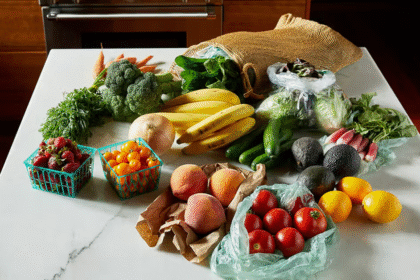
Food plays a big role in acid reflux. Some foods that may worsen symptoms include:
- Fried foods
- Tomato-based foods
- Citrus fruits like oranges and lemons
- Chocolate
- Coffee and tea
- Mint
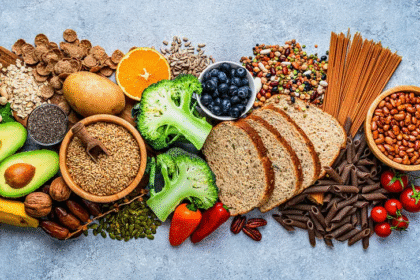
Instead, try eating:
- Oatmeal
- Bananas
- Green vegetables
- Lean proteins like chicken or fish
- Ginger, which may help digestion
A balanced diet can help reduce acid production in the stomach.
3. Medications
Doctors may prescribe or recommend over-the-counter medicines such as:
- Antacids: These give quick relief by neutralizing stomach acid
- H2 blockers: These reduce acid production
- Proton pump inhibitors (PPIs): These are stronger medicines that reduce acid for longer periods
It is important to use medication only under medical advice, especially for long-term use.
4. Natural Remedies
Some people also use natural methods to help reduce symptoms:
- Drinking ginger tea
- Chewing sugar-free gum to increase saliva
- Aloe vera juice (in small amounts)
- Eating slowly and chewing food properly
These are not cures but may help reduce discomfort.
5. Surgery (In Severe Cases)
If lifestyle changes and medicines do not work, doctors may suggest surgery. One common procedure strengthens the valve between the stomach and esophagus so acid does not flow back easily.
Surgery is usually only for severe cases of GERD.
Complications of Untreated GERD
If GERD is not treated properly, it may lead to serious problems such as:
- Damage to the esophagus lining
- Chronic inflammation
- Narrowing of the esophagus
- Breathing problems due to acid entering airways
- Increased risk of esophageal complications
This is why early treatment is very important.
Living with GERD: Simple Tips
Managing GERD is not only about medicine. Daily habits matter a lot. Here are some easy tips:
- Eat slowly and avoid overeating
- Keep a food diary to identify triggers
- Wear loose clothing around the stomach area
- Stay active and exercise regularly
- Manage stress through relaxation techniques
Small changes in daily life can bring big relief over time.
Final Thoughts
Acid reflux and GERD are common but manageable conditions. Understanding the symptoms of acid reflux helps you recognize the problem early. With proper GERD treatment, including lifestyle changes, diet control, and medication, most people can live a comfortable and healthy life.
The key is consistency. You may not see improvement overnight, but with time and patience, symptoms can be controlled effectively.
If symptoms are frequent or severe, it is always best to consult a healthcare professional for proper diagnosis and treatment.
Frequently Asked Questions (FAQs)
1. What is the main difference between acid reflux and GERD?
Acid reflux is occasional. GERD is a chronic condition where acid reflux happens frequently and causes long-term discomfort or damage.
2. Can GERD be cured permanently?
GERD can often be controlled with treatment and lifestyle changes. In some cases, symptoms may disappear completely, but ongoing care is usually needed.
3. Is GERD dangerous?
If left untreated, GERD can lead to complications in the esophagus and respiratory system. However, with proper treatment, it is usually well controlled.
4. What foods should I avoid with GERD?
You should avoid spicy foods, fried foods, chocolate, caffeine, citrus fruits, and carbonated drinks as they may trigger symptoms.
5. When should I see a doctor for acid reflux?
If you experience acid reflux more than twice a week, or if symptoms like chest pain, difficulty swallowing, or persistent cough occur, you should consult a doctor.