
Acne is already frustrating, but the marks it leaves behind can feel even worse. Many people deal with acne scars long after pimples are gone. These scars can affect confidence and make skin look uneven. The good news is that while “instant permanent removal” doesn’t exist overnight, there are real and proven ways to significantly reduce acne scars at home and improve skin over time.
In this article, you will learn how to treat acne scars permanently at home using simple methods, natural remedies, skincare habits, and lifestyle changes. Everything is explained in an easy and human way so you can start today without confusion.
Understanding Acne Scars First
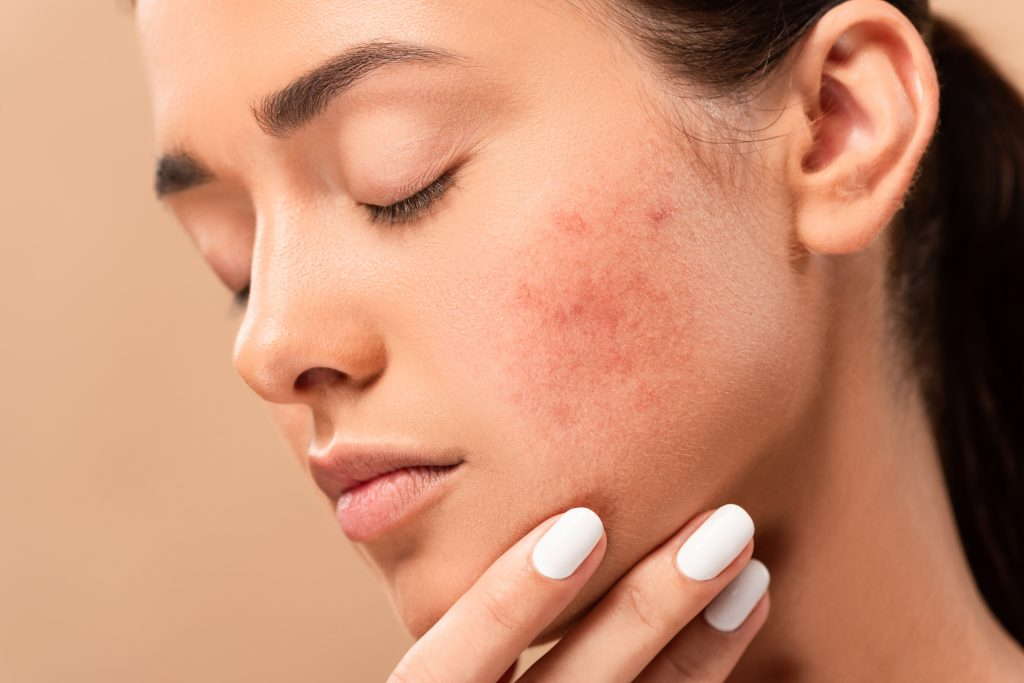
Before treating acne scars, it is important to understand what they are. Acne scars are marks left on the skin after severe acne damages the deeper layers. When the skin heals, it sometimes produces too much or too little collagen, leading to scars.
There are mainly three types of acne scars:
- Dark spots (Post-inflammatory hyperpigmentation) – flat brown or black marks
- Indented scars (Atrophic scars) – small pits or holes in the skin
- Raised scars (Hypertrophic scars) – thick, raised patches
Each type needs different care, but many home treatments help improve all of them gradually.
1. Aloe Vera for Skin Repair
Aloe vera is one of the most powerful natural remedies for acne scars. It has healing and soothing properties that help repair damaged skin and reduce pigmentation.
How to use it:
- Take fresh aloe vera gel from the plant
- Apply it directly to your scars
- Leave it overnight or at least 30 minutes
- Wash with lukewarm water
Using aloe vera daily can slowly fade dark spots and improve skin texture.
2. Honey for Natural Healing
Honey is not just food; it is also a natural skin healer. It has antibacterial and moisturizing properties that help skin recover faster.
How to use it:
- Apply raw honey on affected areas
- Gently massage for 2–3 minutes
- Leave it for 20–30 minutes
- Rinse with water
Doing this regularly can help lighten scars and make skin soft and glowing.
3. Lemon Juice (Use Carefully)
Lemon juice is rich in vitamin C, which helps brighten skin and reduce dark marks. However, it must be used carefully because it can make skin sensitive.
How to use it safely:
- Mix lemon juice with water or honey
- Apply only on scars, not whole face
- Leave for 10 minutes only
- Wash off and apply moisturizer
⚠️ Important: Always avoid sunlight after applying lemon juice, or use it at night.
4. Coconut Oil for Deep Moisture
Coconut oil helps repair skin because it contains fatty acids that promote healing. It also keeps skin hydrated, which is important for scar recovery.
How to use it:
- Take a few drops of virgin coconut oil
- Massage gently on scars before bed
- Leave overnight
This method works best for dry skin types.
5. Turmeric for Skin Brightening
Turmeric has been used for centuries in skincare. It reduces inflammation and improves skin tone naturally.
How to use it:
- Mix turmeric powder with honey or milk
- Apply on scars as a mask
- Leave for 15–20 minutes
- Wash with warm water
Regular use can reduce dark spots and improve overall skin glow.
6. Exfoliation to Remove Dead Skin
Dead skin cells can make scars look darker. Gentle exfoliation helps reveal fresh skin.
Natural scrub recipe:
- 1 tablespoon sugar
- 1 teaspoon honey
Massage gently in circular motions once or twice a week. Do not over-exfoliate, or it may irritate skin.
7. Drink More Water and Eat Healthy
Skin healing is not only external. What you eat and drink plays a big role.
To improve acne scars naturally:
- Drink 8–10 glasses of water daily
- Eat fruits like oranges, berries, and papaya
- Include green vegetables
- Avoid oily and junk food
Healthy skin starts from inside your body.
8. Use Sunscreen Daily
Sun exposure can make acne scars darker and harder to remove. Even at home, sunlight from windows can affect skin.
Choose a light sunscreen and apply it every morning. This is one of the most important steps for long-term scar improvement.
9. Rose Water for Skin Balance
Rose water helps calm irritated skin and reduces redness from acne scars.
How to use:
- Spray rose water on your face
- Or use cotton pads to apply it
- Use twice daily for best results
It refreshes skin and helps in healing process.
10. Consistency is the Real Secret
No treatment works overnight. The biggest mistake people make is stopping too early. Acne scars need time to fade.
If you follow these remedies consistently for 4–8 weeks, you will start noticing visible improvement.
Lifestyle Tips for Faster Results
- Sleep at least 7–8 hours daily
- Avoid touching or picking your skin
- Clean your face twice daily
- Reduce stress (stress can worsen acne scars)
- Change pillow covers regularly
Small habits create big changes in skin health.
Final Thoughts
Treating acne scars permanently at home is possible, but it requires patience, care, and consistency. Natural remedies like aloe vera, honey, turmeric, and coconut oil can significantly improve your skin over time. Along with a healthy lifestyle and good skincare habits, your skin can become smoother, clearer, and more even.
Remember, every skin type is different. What matters most is finding what works for you and sticking with it.
Frequently Asked Questions (FAQs)
1. Can acne scars really be removed permanently at home?
You can significantly reduce acne scars at home, especially dark spots, but complete removal depends on scar depth. Consistent care can make them almost invisible over time.
2. How long does it take to remove acne scars naturally?
It usually takes 4 to 12 weeks to see visible improvement with regular home treatments. Deep scars may take longer.
3. Is aloe vera good for all skin types?
Yes, aloe vera is safe for most skin types, including sensitive skin. It is gentle and helps in natural healing.
4. Can lemon juice remove acne scars fast?
Lemon juice can lighten scars due to vitamin C, but it should be used carefully. It is not a quick solution and must be diluted.
5. What is the most important step in treating acne scars at home?
Consistency is the most important step. Using remedies regularly and protecting skin from sun exposure gives the best results.