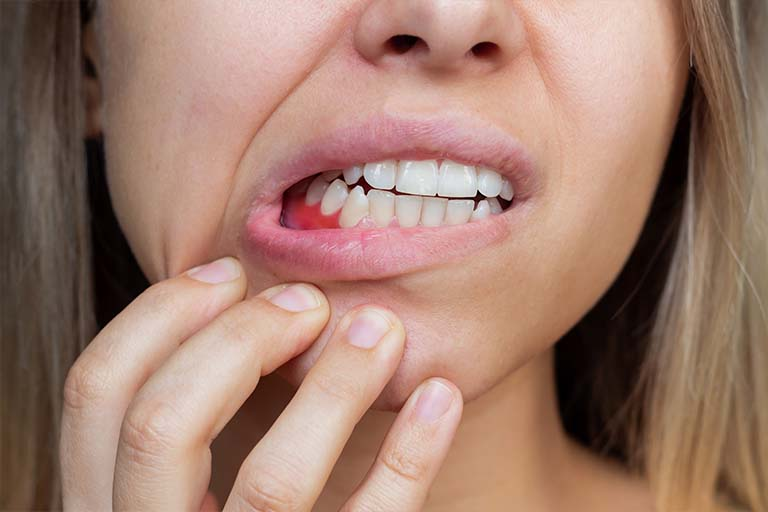

Bleeding gums can feel worrying, especially when it happens while brushing, flossing, or even eating soft foods. Many people ignore it at first, but it is actually one of the early signs that your gums need better care. The good news is that in most cases, mild gum bleeding can be improved at home with simple habits and natural care.
In this article, we will explain why gum bleeding happens and share practical, easy, and safe home methods to reduce it. Everything is written in a simple way so anyone can understand and follow it.
Why Do Gums Bleed?
Before learning how to stop gum bleeding, it helps to understand the cause. The most common reason is plaque buildup. Plaque is a sticky layer of bacteria that forms on teeth when they are not cleaned properly. If not removed, it can irritate the gums and lead to inflammation.
This early stage of gum problem is often called gingivitis, which is a mild form of gum disease. It makes gums swollen, red, and sensitive, which is why they bleed easily.
Other common reasons include:
- Brushing too hard
- Not flossing regularly
- Vitamin C or vitamin K deficiency
- Hormonal changes (like pregnancy)
- Smoking or tobacco use
- Using a hard toothbrush
- Certain medical conditions
Understanding the cause helps you choose the right solution.
1. Improve Your Brushing Technique
One of the simplest ways to reduce gum bleeding at home is to change how you brush your teeth. Many people brush too aggressively, thinking it cleans better, but it actually harms the gums.
Here’s what you should do:
- Use a soft-bristled toothbrush
- Brush gently in circular motions
- Avoid scrubbing back and forth too hard
- Brush for at least 2 minutes twice a day
A soft toothbrush protects sensitive gums and reduces irritation over time. Be patient—your gums may bleed a little in the beginning, but gentle brushing will help them heal.
2. Start Flossing Daily
Flossing is very important because brushing alone cannot remove food stuck between teeth. When food stays trapped, bacteria grow and irritate gums.
If you are new to flossing, your gums may bleed at first. This is normal and usually improves within a week or two.
Tips for safe flossing:
- Use gentle movements, not force
- Curve the floss around each tooth
- Do not snap floss into gums
- Floss once a day, preferably at night
Regular flossing reduces plaque and helps gums become stronger.
3. Rinse With Warm Salt Water
Salt water is one of the oldest and most effective home remedies for gum problems. It works as a natural disinfectant and reduces swelling.
How to use it:
- Mix half a teaspoon of salt in a glass of warm water
- Swish it in your mouth for 30–60 seconds
- Repeat 2 times a day
This helps kill bacteria, reduce inflammation, and promote healing of bleeding gums.
4. Eat Foods Rich in Vitamins
Your diet plays a big role in gum health. Lack of vitamins, especially vitamin C and vitamin K, can make gums weak and prone to bleeding.
Include these foods in your daily meals:
- Oranges, lemons, and other citrus fruits (vitamin C)
- Spinach, broccoli, and leafy greens (vitamin K)
- Carrots and cucumbers
- Almonds and nuts
- Fresh fruits and vegetables
Vitamin C helps repair gum tissue, while vitamin K helps with proper blood clotting.
5. Use a Natural Mouth Rinse
If you want an alternative to chemical mouthwash, natural rinses can help reduce bacteria.
Some safe options include:
- Salt water rinse (as mentioned earlier)
- Aloe vera juice rinse
- Diluted green tea rinse
Green tea is especially helpful because it contains antioxidants that reduce inflammation and bacteria in the mouth.
6. Stay Hydrated
Drinking enough water is often ignored, but it is very important for oral health. Water helps wash away food particles and bacteria from your mouth.
A dry mouth allows bacteria to grow faster, which can worsen gum problems. Try to drink water throughout the day, especially after meals.
7. Avoid Smoking and Tobacco
Smoking is one of the biggest causes of gum disease and bleeding gums. It weakens the immune system and reduces blood flow to the gums, making it harder for them to heal.
If you smoke or use tobacco, reducing or quitting can significantly improve your gum health within weeks.
8. Massage Your Gums
Gum massage improves blood circulation and strengthens gum tissue.
How to do it:
- Wash your hands properly
- Use a clean finger
- Gently massage gums in circular motion for 1–2 minutes
You can also use a soft toothbrush for gentle gum massage.
9. Use a Soft Diet for a Few Days
If your gums are bleeding a lot, try eating soft foods for a few days. This gives your gums time to heal.
Good options include:
- Yogurt
- Soup
- Mashed potatoes
- Soft fruits like bananas
Avoid very spicy, crunchy, or hard foods temporarily.
10. Maintain Consistency
The most important part of reducing gum bleeding is consistency. Home remedies do not work overnight. You may see improvement in a few days, but full healing can take 1–2 weeks depending on the condition.
If gum bleeding continues for more than two weeks, it may be a sign of a deeper problem and you should visit a dentist.
When Should You Be Concerned?
While mild gum bleeding is common, you should seek professional help if you notice:
- Severe or frequent bleeding
- Swollen or painful gums
- Loose teeth
- Bad breath that doesn’t go away
- Pus around gums
These may indicate a more serious gum condition.
Final Thoughts
Reducing gum bleeding at home is possible if you follow proper oral hygiene, eat healthy food, and avoid harmful habits. Most cases improve with gentle care, patience, and consistency. Small daily habits like brushing correctly, flossing, and rinsing can make a big difference in your gum health.
Healthy gums are the foundation of a healthy smile, so taking care of them should always be a priority.
FAQs
1. Is it normal for gums to bleed while brushing?
Mild bleeding can happen if you recently started flossing or brushing properly. However, if it continues for more than a week or two, it may indicate gum inflammation.
2. Can gum bleeding stop naturally at home?
Yes, in mild cases it can improve with better oral hygiene, salt water rinses, and a healthy diet.
3. Which vitamin is best for bleeding gums?
Vitamin C and vitamin K are very important. Vitamin C helps heal gums, while vitamin K helps with blood clotting.
4. Should I stop brushing if my gums bleed?
No, you should not stop brushing. Instead, switch to a soft toothbrush and brush gently.
5. When should I see a dentist?
If bleeding continues for more than two weeks or is accompanied by pain, swelling, or bad breath, you should visit a dentist.