
Heart disease is one of the leading health problems in adults around the world. It develops slowly over time, often without clear symptoms in the beginning. Many people do not realize they have a heart issue until it becomes serious. That is why understanding the early warning signs of heart disease in adults is very important. When you notice these signs early, you can take action, improve your lifestyle, and prevent serious complications like heart attack or stroke.
In this article, we will explain the early symptoms in a simple and human way so you can easily understand and recognize them in daily life.
What Is Heart Disease?
Heart disease is a general term used for different conditions that affect the heart. It includes problems like blocked arteries, weak heart muscles, irregular heartbeats, and poor blood circulation. The most common type is coronary artery disease, which happens when blood vessels that supply the heart become narrow or blocked due to fat buildup.
When the heart does not get enough oxygen-rich blood, it starts showing warning signs. These signs are your body’s way of telling you something is wrong.
Early Warning Signs of Heart Disease in Adults
Below are the most common early symptoms that should never be ignored.
1. Chest Discomfort or Pain
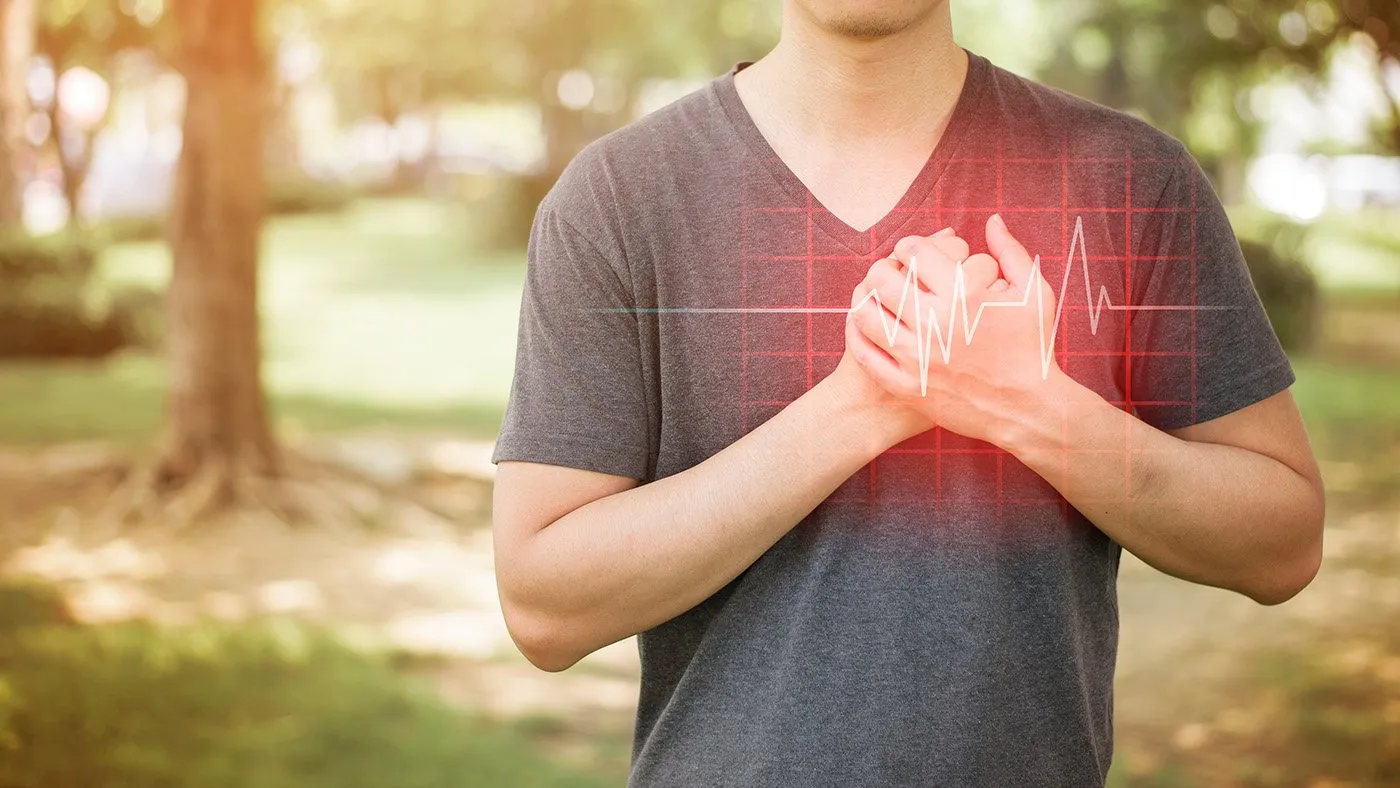
One of the earliest and most important signs is chest discomfort. It may feel like pressure, tightness, heaviness, or burning in the chest. Some people describe it as something “squeezing” their chest.
This pain may come and go, especially during physical activity or stress. Many people ignore it thinking it is gas or acidity, but it can be a sign that the heart is struggling.
2. Shortness of Breath
If you feel out of breath while doing simple activities like walking, climbing stairs, or even talking, it could be a warning sign. The heart and lungs work together to supply oxygen to the body. When the heart is weak or blocked, breathing becomes difficult.
Sometimes shortness of breath also happens while resting or sleeping, which is a more serious sign.
3. Unusual Fatigue
Feeling tired all the time without any heavy physical work is another early symptom. This fatigue is not normal tiredness after a busy day. Instead, it feels like your body has no energy even after resting.
When the heart cannot pump blood properly, muscles and organs do not get enough oxygen, leading to constant tiredness.
4. Pain in Arms, Neck, Jaw, or Back
Heart disease does not always cause pain only in the chest. The pain can spread to other parts of the upper body like the left arm, shoulders, neck, jaw, or back.
Sometimes people think it is muscle pain, but if it happens with chest discomfort or during activity, it should not be ignored.
5. Irregular Heartbeat
If your heart suddenly feels like it is skipping beats, beating too fast, or fluttering, it may be a sign of heart disease. Occasional irregular heartbeat can be harmless, but frequent episodes can indicate a deeper problem.
6. Swelling in Legs, Ankles, or Feet
When the heart is not pumping blood properly, fluid can build up in the body, especially in the lower parts like legs and ankles. This causes swelling, heaviness, and discomfort.
People often ignore this symptom, thinking it is due to standing too long, but it can be linked to heart failure.
7. Dizziness or Lightheadedness
Feeling dizzy, faint, or unsteady can also be an early warning sign. This happens when the brain does not receive enough blood flow due to poor heart function.
If dizziness happens frequently, especially with chest pain or shortness of breath, it should be checked immediately.
8. Cold Sweats and Nausea
Breaking into a cold sweat without any physical effort or feeling nauseous can also be signs of heart trouble. These symptoms often appear suddenly and may come with chest discomfort.
Why Early Detection Matters
Heart disease does not develop overnight. It builds up slowly over years due to unhealthy habits like poor diet, smoking, lack of exercise, stress, and high blood pressure.
When detected early, heart disease can often be managed with lifestyle changes and medical treatment. Ignoring early signs can lead to serious problems like heart attack or heart failure.
Risk Factors You Should Know
Some people are more likely to develop heart disease due to certain risk factors:
- Smoking or tobacco use
- High blood pressure
- High cholesterol levels
- Diabetes
- Obesity
- Lack of physical activity
- Unhealthy diet
- Excess stress
- Family history of heart disease
If you have one or more of these risk factors, paying attention to early symptoms becomes even more important.
How to Protect Your Heart
Taking care of your heart does not have to be complicated. Small daily changes can make a big difference:
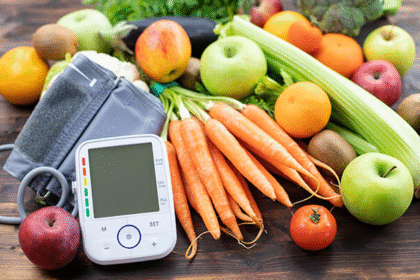
- Eat more fruits, vegetables, and whole grains
- Avoid too much oily, fried, and fast food
- Exercise at least 30 minutes a day
- Quit smoking and avoid alcohol
- Manage stress through relaxation or hobbies
- Get regular health checkups
- Maintain a healthy weight
A healthy lifestyle is the strongest protection against heart disease.
When to See a Doctor
You should not wait if you experience:
- Chest pain that lasts more than a few minutes
- Severe shortness of breath
- Pain spreading to arm, jaw, or back
- Sudden dizziness or fainting
- Swelling in legs with breathing difficulty
Early medical help can save your life.
Final Thoughts
The early warning signs of heart disease in adults are often subtle, but they are very important. Your body always gives signals when something is wrong. The key is to listen carefully and take action quickly.
Ignoring these signs can lead to serious health risks, but recognizing them early gives you a chance to protect your heart and improve your life. A healthy lifestyle, regular checkups, and awareness can go a long way in preventing heart disease.
Take care of your heart today, because it takes care of you every single second of your life.
FAQs
1. Can heart disease develop without symptoms?
Yes, in many cases heart disease develops slowly without obvious symptoms. That is why regular checkups are important, especially if you have risk factors.
2. Is chest pain always a sign of heart disease?
Not always. Chest pain can also be caused by gas, muscle strain, or anxiety. However, if it happens with shortness of breath or spreads to other body parts, it should be checked.
3. Can young adults get heart disease?
Yes. Although it is more common in older adults, young people can also develop heart disease due to unhealthy habits, stress, smoking, or genetic factors.
4. What is the first sign of heart disease?
The most common early sign is chest discomfort or pressure, but fatigue and shortness of breath can also appear early.
5. Can lifestyle changes really reverse heart disease?
In early stages, lifestyle changes like healthy diet, exercise, and quitting smoking can significantly improve heart health and slow down or sometimes reverse the condition.