
High blood pressure, also known as hypertension, is one of the most common health conditions in the world today. Many people live with it for years without even realizing they have it. That’s why it is often called the “silent killer.” But what exactly does it feel like? What signs should you watch for? And most importantly, how can it be treated or controlled?
Let’s walk through everything in a simple, clear, and human way.
What Is High Blood Pressure?
Blood pressure is the force of blood pushing against the walls of your arteries. When this pressure stays too high for too long, it becomes dangerous. It can damage your heart, brain, kidneys, and other organs over time.
There are two numbers in a blood pressure reading:
- Systolic pressure (top number): pressure when the heart beats
- Diastolic pressure (bottom number): pressure when the heart rests
A normal reading is usually around 120/80 mmHg. If it stays above 130/80 mmHg, it may be considered high.
Symptoms of High Blood Pressure
One of the biggest problems with high blood pressure is that it often shows no clear symptoms. Many people feel completely fine even when their levels are dangerously high.
However, in some cases, especially when blood pressure becomes very high, certain signs may appear.
1. Headaches
Frequent or severe headaches, especially in the morning, can be a warning sign. These headaches may feel like pressure around the head.
2. Dizziness or Lightheadedness
You may feel unsteady or like the room is spinning. This can happen when blood flow is affected.
3. Blurred Vision
High blood pressure can damage the small blood vessels in the eyes, leading to vision problems or blurriness.
4. Chest Pain
Some people experience tightness or pain in the chest. This can be serious and should never be ignored.
5. Shortness of Breath
If your heart is working harder than normal, you may feel breathless even during light activity.
6. Nosebleeds
Frequent nosebleeds can sometimes be linked to high blood pressure, especially if they happen without a clear reason.
7. Fatigue or Confusion
Feeling unusually tired, weak, or mentally unclear may also be linked to high blood pressure.
Why High Blood Pressure Is Dangerous
Even if you don’t feel symptoms, high blood pressure can slowly damage your body. Over time, it can lead to:
- Heart disease
- Stroke
- Kidney failure
- Vision loss
- Memory problems
That’s why regular check-ups are so important—even if you feel perfectly fine.
What Causes High Blood Pressure?
There isn’t always one single cause, but several factors can increase your risk:
- Eating too much salt
- Lack of physical activity
- Being overweight
- Smoking
- Stress
- Family history
- Aging
Sometimes, it develops without a clear reason (this is called primary hypertension).
Treatment Options for High Blood Pressure
The good news is that high blood pressure can be managed and controlled. Treatment usually involves a combination of lifestyle changes and, in some cases, medication.
1. Lifestyle Changes (First and Most Important Step)
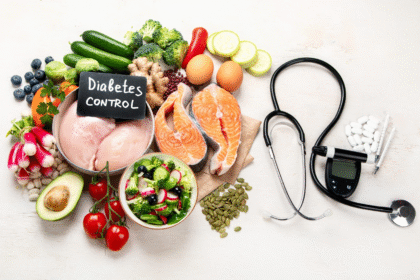
Healthy Diet
Eating better can make a huge difference. Focus on:
- Fruits and vegetables
- Whole grains
- Low-fat dairy
- Less salt and processed food
A popular approach is the DASH diet (Dietary Approaches to Stop Hypertension).
Reduce Salt Intake
Too much salt raises blood pressure. Try to keep it below 5–6 grams per day.
Exercise Regularly
Even simple activities like walking for 30 minutes a day can help lower blood pressure.
Maintain a Healthy Weight
Losing even a small amount of weight can reduce pressure on your heart.
Quit Smoking
Smoking damages blood vessels and raises blood pressure instantly.
Limit Alcohol
Too much alcohol can increase blood pressure. Moderation is key.
Manage Stress
Stress doesn’t directly cause high blood pressure, but it contributes to unhealthy habits. Try relaxation techniques like:
- Deep breathing
- Meditation
- Spending time in nature
2. Medications
If lifestyle changes are not enough, doctors may prescribe medicines. These help control blood pressure and reduce risks.
Common types include:
- Diuretics: Help your body remove extra salt and water
- ACE inhibitors: Relax blood vessels
- Calcium channel blockers: Improve blood flow
- Beta-blockers: Slow down the heart
It’s important to take medications exactly as prescribed and not stop without consulting a doctor.
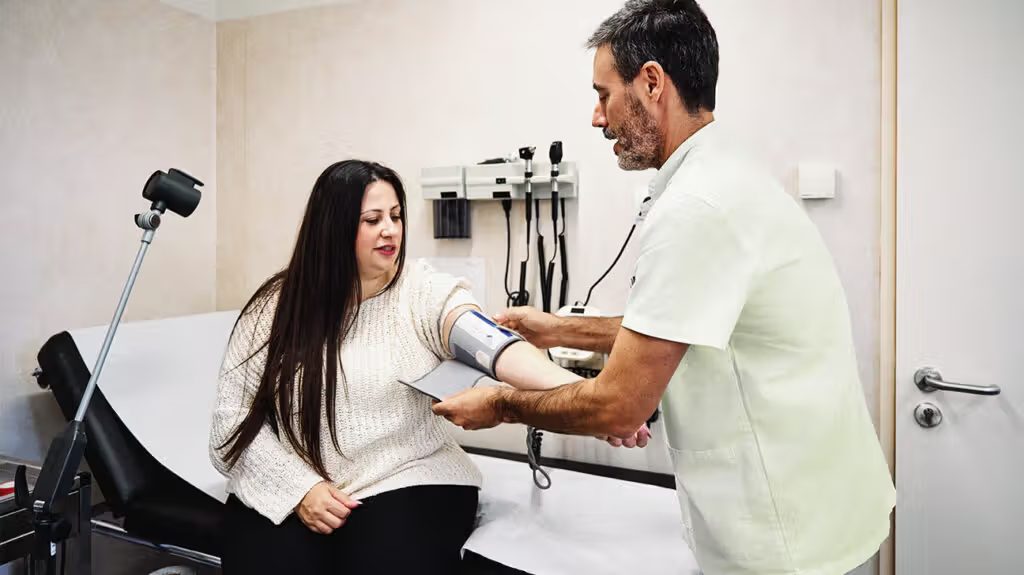
3. Regular Monitoring
Checking your blood pressure regularly helps you understand how your body is responding to treatment.
You can:
- Visit a clinic
- Use a home blood pressure monitor
Keeping a record helps your doctor adjust treatment if needed.
4. Natural and Supportive Remedies
While not a replacement for medical treatment, some natural approaches may support healthy blood pressure:
- Drinking enough water
- Eating potassium-rich foods (like bananas)
- Reducing caffeine intake
- Getting enough sleep
Always talk to a doctor before trying herbal or alternative treatments.
When Should You See a Doctor?
You should seek medical help if:
- You frequently experience symptoms like headaches or chest pain
- Your blood pressure readings are consistently high
- You feel sudden dizziness or shortness of breath
Emergency care is needed if blood pressure rises extremely high (hypertensive crisis), especially with severe symptoms.
Final Thoughts
High blood pressure is common, but it is also manageable. The biggest challenge is that many people ignore it because they feel fine. But ignoring it can lead to serious health problems later.
The key is simple:
- Get checked regularly
- Live a healthy lifestyle
- Follow medical advice
Taking small steps today can protect your health for many years to come.
Frequently Asked Questions (FAQs)
1. Can high blood pressure go away on its own?
Not usually. It can be controlled with lifestyle changes and medication, but it rarely disappears completely without effort.
2. Is high blood pressure only a problem for older people?
No. While it’s more common with age, young adults can also develop it, especially due to poor lifestyle habits.
3. How often should I check my blood pressure?
If you have high blood pressure, check it regularly (daily or weekly). If you’re healthy, checking every few months is usually enough.
4. Can stress alone cause high blood pressure?
Stress can raise blood pressure temporarily. Long-term stress may contribute indirectly by causing unhealthy habits.
5. What is the fastest way to lower blood pressure?
There’s no instant cure, but relaxing, deep breathing, and taking prescribed medication can help lower it quickly in some situations.